


This post is also available in:
Discover Corn Islands, Nicaragua: Pirate History & Lifestyle
Imagine stepping off a small plane onto a sun-baked runway. Warm Caribbean air greets you. Palm trees sway. The scent of salt and coconut drifts past. This is the Corn Islands, Nicaragua.
These twin islands sit roughly seventy kilometers off Nicaragua’s Caribbean coast. Big Corn Island and Little Corn Island remain two of the last authentic Caribbean escapes. They offer white-sand beaches, healthy coral reefs, and a pace of life that has almost vanished elsewhere.
Travelers come for the turquoise water and quiet beaches. Investors come for the still-accessible real estate. Many who arrive for a short stay never fully leave. The Corn Islands, Nicaragua cast a quiet spell that is hard to shake.
Whether you seek a peaceful vacation, a second home, or a long-term investment, these islands deliver something rare. They combine rich history, genuine culture, and genuine opportunity.
A Storied Past: From Buccaneers to Modern Day
The history of the Corn Islands, Nicaragua runs deep. Long before tourists arrived, these islands served as strategic stops in the turbulent Caribbean.
Indigenous Kukra people first called the islands home. In the seventeenth century, Miskito groups allied with English buccaneers pushed them out. The islands quickly became useful to seafarers. Fresh water, timber, and safe harbors made them ideal for rest and repair.
Buccaneers and privateers knew these waters well. Ships operating under figures like Henry Morgan used remote Caribbean islands for resupply during the height of privateering in the 1660s and 1670s. The Corn Islands offered cover away from Spanish patrols. Sailors could careen their vessels, gather food, and vanish again into the blue.
By the early eighteenth century, British settlers arrived from Jamaica. They brought enslaved Africans and began planting sea-island cotton. Later, coconut production dominated the local economy. The islands fell under the British protectorate of the Mosquito Kingdom from 1740 until 1860. English language and customs took root and never fully left.
A pivotal moment arrived in 1841. Colonel Alexander McDonald of British Honduras landed at South West Bay. He declared every enslaved person free in the name of Queen Victoria. Emancipation Day is still celebrated on both islands, though on slightly different dates. News of freedom simply traveled at the speed of sail.
Nicaragua asserted full control in 1894. Later, the Bryan-Chamorro Treaty gave the United States a ninety-nine-year lease that lasted until 1971. Through every political shift, the islands kept their distinct Creole character. English-based Creole remains widely spoken alongside Spanish. The culture feels closer to the English-speaking Caribbean than to the rest of Central America.
This layered past explains the friendly, open atmosphere visitors notice today on the Corn Islands, Nicaragua. History is not locked in museums. It lives in the language, the food, and the easy smile of people who have seen empires come and go.
Big Corn Island and Little Corn Island
The Corn Islands, Nicaragua consist of two very different islands that complement each other perfectly. Understanding the unique character of each one helps visitors and buyers choose the right fit.
Big Corn Island
Big Corn Island is the larger and more practical of the two. It covers roughly ten square kilometers and holds most of the population. An airport with regular flights connects the island to the mainland. Paved roads and inexpensive taxis make it easy to move around.
You will find shops, banks, restaurants, and a hospital that handles routine medical needs. The selection of places to eat is wider than on the smaller island. Options range from simple local seafood spots to places serving wood-fired pizza and fresh lobster.
Several beautiful beaches line the coast. Southwest Bay and Long Bay are among the most popular. Elevated areas such as Quinn Hill offer sweeping views across the Caribbean. The island feels lived-in and convenient while still retaining a strong Caribbean identity.
Big Corn Island works well for people who want comfort alongside beauty. It is also practical for longer stays or for those who plan to own property and visit regularly. Logistics for building, supplies, and daily life are simpler here than on the smaller island.
Little Corn Island
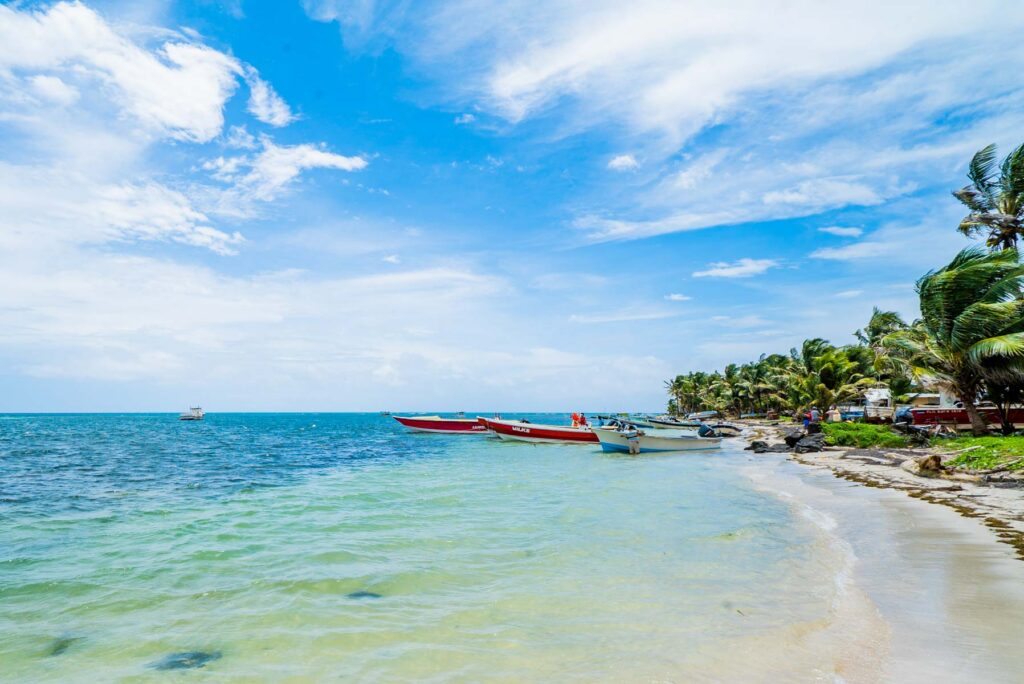
Little Corn Island is smaller, quieter, and deliberately car-free. Sandy footpaths replace roads. Everything moves at walking or bicycle pace. The island feels wilder and more intimate the moment you step off the boat.
The community is smaller and more tightly knit. There are fewer services, yet the trade-off is a deeper sense of escape. Many travelers say Little Corn Island is where the true magic of the Corn Islands, Nicaragua becomes clear.
Beaches here are outstanding. Clear water sits right against the sand. Dive sites and snorkel spots are close to shore. The absence of vehicles creates a peaceful atmosphere that is increasingly rare in the Caribbean.
Little Corn Island appeals strongly to people who want to disconnect. It attracts both backpackers seeking simplicity and travelers looking for quiet luxury. Property on this island tends to feel more exclusive because of the limited land and the car-free lifestyle.
Most visitors fly into Big Corn Island and take a short boat ride to Little Corn Island. The crossing itself is part of the experience. Clear water, flying fish, and the gradual appearance of the smaller island create a memorable sense of arrival.
Together, the two islands give the Corn Islands, Nicaragua remarkable range. You can enjoy convenience on one and pure disconnection on the other.
Daily Life and Culture on the Corn Islands, Nicaragua
Life on the Corn Islands, Nicaragua follows the rhythm of the sea and the seasons. Lobster season shapes the local economy and the dinner table. Fresh seafood appears in almost every meal. Lobster with eggs for breakfast is not unusual. Rundown, a rich coconut-milk stew filled with fish, lobster, shrimp, and root vegetables, remains a beloved traditional dish.
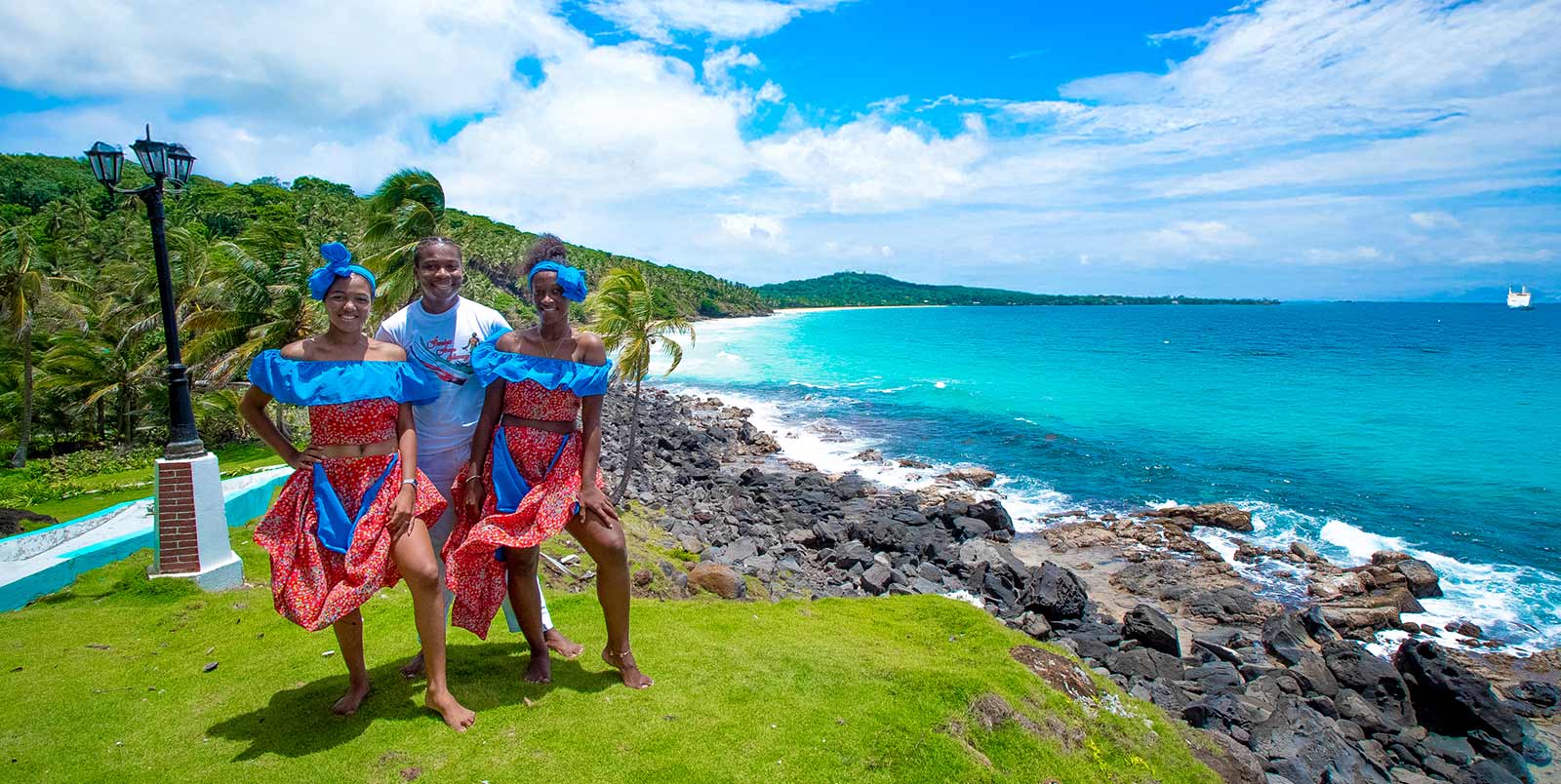
The culture is Afro-Caribbean Creole at its core. Music, storytelling, and a strong sense of community define social life. Baseball is followed with passion. Sunday games draw lively crowds. Churches play an important role, and Emancipation Day celebrations still matter.
English Creole and Spanish mix freely in conversation. Visitors who make even a small effort to greet people in the local way are met with genuine warmth. The islands remain remarkably safe by regional standards. Children play freely. Doors are often left unlocked. The pace encourages conversation rather than hurry.
Internet service exists but is limited in many areas. This is not a flaw for most people who come here. It is a feature. Without constant connectivity, days stretch out. Mornings begin with the sound of waves. Afternoons invite swimming or reading under a palm. Evenings bring soft trade winds and skies full of stars.
Cost of living stays lower than on more developed Caribbean islands. Local produce and seafood keep food costs reasonable. Imported goods cost more, yet the overall budget for a comfortable island life remains attractive. Many long-term visitors and new residents find they can live well without the financial pressure common in other tropical destinations.
Things to Do: Reefs, Beaches, and Simple Joys
The Corn Islands, Nicaragua reward both active travelers and those who prefer to do almost nothing.
Underwater, the reefs remain healthy and full of life. Divers and snorkelers regularly encounter nurse sharks, spotted eagle rays, green sea turtles, barracuda, and schools of colorful reef fish. Several professional dive centers operate on both islands and offer courses for every level. Visibility is often excellent, and dive sites sit close to shore.
Sport fishing is another major draw. Offshore waters hold sailfish, mahi-mahi, kingfish, and amberjack. Inshore flats and channels produce bonefish, tarpon, and permit. Local captains know the waters intimately and can arrange half-day or full-day trips.
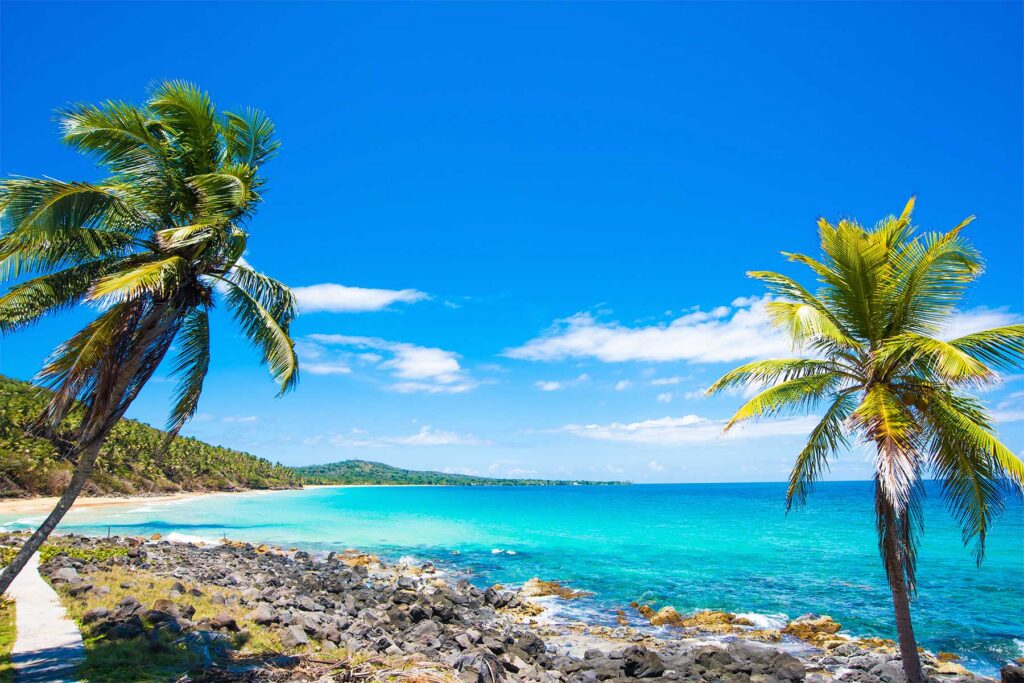
On land, the beaches themselves are the main attraction. Long stretches of white sand and calm turquoise water invite swimming, paddleboarding, and long barefoot walks. Little Corn Island can be circled on foot in a few hours. Big Corn Island offers scenic coastal roads and quieter coves away from the main settlements.
Yoga sessions on the beach, massages under the palms, and simply floating in the warm sea fill many days. Evenings often center around fresh seafood dinners and soft Caribbean music. The absence of large resorts and nightlife keeps the atmosphere relaxed and intimate.
For those who want a change of scenery, short trips to the mainland open up volcanoes, colonial cities, and Pacific beaches. The Corn Islands, Nicaragua work beautifully as a base or as the main destination.
The Real Estate Opportunity on Corn Islands, Nicaragua
The real estate market on the Corn Islands, Nicaragua remains one of the more interesting opportunities in the Caribbean. Tourism continues to grow steadily, yet the islands have avoided the overdevelopment that has driven prices out of reach in many other destinations.
Buyers can still find beachfront lots, completed homes with ocean views, boutique hotels, and income-producing vacation rentals. Prices vary widely depending on location, condition, and proximity to the water. Beachfront and elevated view properties command the strongest interest and tend to perform best as rentals.
Foreigners can own property in Nicaragua when proper legal processes are followed. Clear title, proper surveys, and experienced local guidance are essential. The process is straightforward with the right team, but it is not something to attempt alone.
Many owners use their properties part of the year and rent them the rest of the time. Strong demand for quality vacation rentals helps cover ownership costs and can generate meaningful income. Properties that are well maintained and professionally managed tend to stay booked, especially during peak seasons and holidays.
Land for development still exists, particularly on Big Corn Island. Building on the islands requires careful planning around logistics, materials, and local regulations. Working with people who understand island construction realities saves both time and money.
The market rewards patience and local knowledge. Properties that come to market are often held by families for generations. When they do become available, they tend to move to buyers who are ready and well advised.
You can review current opportunities on our properties list. For answers to the most common questions about buying, owning, and investing, visit the Nicaragua Real Estate FAQs page.
Why People Choose to Invest or Settle Here
Several factors keep drawing people to the Corn Islands, Nicaragua.
The natural environment remains largely unspoiled. Healthy reefs, clean beaches, and a relatively low number of visitors create an experience that feels increasingly rare. The culture is welcoming without being performative. People are friendly because that is how they live, not because it is good for tourism.
From an investment perspective, the combination of lifestyle appeal and still-reasonable entry prices is powerful. Tourism numbers continue to rise as more travelers seek authentic destinations. Limited land and strict practical constraints on development help protect long-term value.
Retirees appreciate the warm climate, fresh food, and low daily stress. Remote workers who can manage with moderate internet find the islands an ideal base. Families value the safety and the outdoor lifestyle available to children.
Many people who buy end up spending more time on the islands than they originally planned. The place has a way of rearranging priorities.
Practical Considerations for Living and Visiting
Getting to the Corn Islands, Nicaragua is straightforward. Most travelers fly into Managua and connect on a short domestic flight to Big Corn Island. From there, scheduled boats and private pangas make the crossing to Little Corn Island in roughly thirty to forty minutes.
Once on the islands, daily life is simple. Big Corn Island has more services and easier logistics. Little Corn Island requires more planning but rewards the effort with deeper quiet.
Medical care is available on Big Corn Island for routine needs. More serious situations require transfer to the mainland. This is a reality of island living that most long-term residents accept and plan around.
The climate is tropical maritime. The dry season from December to April is the most popular time to visit. The rainy season brings lush greenery and fewer visitors. Temperatures stay warm year-round.
For those considering a longer stay or a purchase, understanding local rhythms and building relationships with the community makes everything smoother.

How Corn Island Realty Supports Your Journey
Corn Island Realty focuses exclusively on Big Corn Island and Little Corn Island. Our team lives and works here. We understand the practical realities of island property, from title work to construction logistics to vacation rental performance.
We assist with every stage of the process. That includes finding the right property, navigating the purchase, arranging management, and supporting ongoing ownership. Our services cover sales, rentals, and comprehensive support.
Full Nicaragua property management is available for owners who cannot be on island year-round. This includes housekeeping, maintenance, landscaping, guest communication, and provisioning. Many clients also use our vacation rental program to generate income from their properties. You can explore current Corn Island vacation rentals to experience the lifestyle before committing.
If you want to understand the broader context of investing in the country, our Nicaragua Discover Paradise page offers helpful background. Ongoing insights and local stories appear regularly on our blogs.
You can learn more about the people behind the company on our About page. When you are ready to talk, the Contact Us page is the fastest way to start a conversation.
Trusted External Resources
For additional background on the islands’ history and geography, the Wikipedia page on the Corn Islands provides a solid overview.
Traveler reviews, activity suggestions, and current conditions are easy to find on TripAdvisor’s Corn Islands section.
A longer lifestyle perspective from people who have spent significant time here is available through International Living’s guide to the Corn Islands.
Your Invitation to the Corn Islands, Nicaragua
The Corn Islands, Nicaragua are not for everyone. They are for people who value authenticity over convenience, quiet over crowds, and long-term potential over short-term trends.
History here is still visible in the language and the culture. The reefs remain healthy. The beaches stay relatively empty. Real estate still offers entry points that have disappeared from many other Caribbean destinations.
If the idea of waking to the sound of waves, walking car-free paths, or owning a piece of this quiet paradise appeals to you, the next step is simple.
Browse available properties. Ask questions. Come and see the islands for yourself.
The Corn Islands, Nicaragua have a way of turning visitors into residents and residents into lifelong advocates.
We are here when you are ready to explore what is possible.