


This post is also available in:
Discover Nicaragua: Your Complete Fun 2026 Travel Guide
Welcome to Nicaragua. This Central American treasure bursts with energy, color, and pure adventure the moment you arrive. Warm breezes carry the scent of the sea and tropical fruit. Friendly smiles greet you at every turn. The country stretches between two oceans and offers something new around every corner.
Nicaragua delivers two completely different worlds in one compact country. On the Caribbean side the Corn Islands float in turquoise water. On the Pacific side San Juan del Sur pulses with surf and sunset energy. Between them you find colonial cities, twin volcanoes rising from a lake, highland coffee country, and quiet beaches.
Travelers fall in love with Nicaragua because it still feels real. You will not find endless high-rise resorts. Instead you meet people living genuine island, coastal, and highland lives. The pace stays relaxed. The scenery stays spectacular. The food stays fresh.
Whether you want quiet mornings on white sand, dramatic volcano views, lively colonial streets, or consistent Pacific waves, Nicaragua delivers. This guide walks you through every destination in the menu with rich detail, practical tips, and the small daily joys that make a trip unforgettable.
Let us start exploring.
Why Nicaragua Captivates Every Traveler
Nicaragua stretches between the Caribbean Sea and the Pacific Ocean. That unique geography creates endless variety. Volcanoes rise inland. Freshwater lakes sparkle in the center. Palm-lined beaches run along both coasts.
The country remains one of the most authentic destinations in Central America. Tourism grows steadily yet large areas keep their local character. You still hear Spanish mixed with Creole English on the islands and still see fishermen launching pangas at dawn. You still find markets full of tropical fruit and handmade goods.
The cost of living stays friendly for travelers. Fresh meals cost little. Local transport stays affordable. Accommodation ranges from simple cabins to comfortable spots with views.
Culture layers beautifully here. Indigenous roots, Spanish colonial history, Afro-Caribbean traditions, and modern traveler energy all mix together. Music fills evenings. Baseball games draw passionate crowds. Family gatherings happen under open skies.
Getting around proves easier than many people expect. Managua serves as the main international gateway. From there domestic flights, tourist shuttles, and water taxis connect the key destinations. Once you land the rest of Nicaragua opens up.
Nicaragua rewards travelers who slow down. Rush less. Notice more. Talk to locals. Taste everything. Watch the sky change color at sunset. Those simple moments often become the strongest memories.
The Corn Islands: Pure Caribbean Magic in Nicaragua
Imagine stepping off a small plane onto a short runway. Palm trees sway in the warm breeze. White sand stretches toward bright turquoise water. The air smells of salt and coconut. This is your first glimpse of the Corn Islands in Nicaragua.
These two islands sit roughly seventy kilometers off the Caribbean coast. They form one of the most beautiful and least developed corners of the country. Big Corn Island and Little Corn Island each have their own personality yet they share the same easy Caribbean rhythm.
English Creole mixes freely with Spanish here. Reggae and soca music drift from beach bars. Fresh lobster appears on nearly every menu. Life moves with the tides and the seasons.
The islands remain a true escape. You will not find big hotel chains or heavy traffic. Instead you find soft sand, healthy reefs, and genuine island hospitality.
Start with the Corn Islands page for the full overview. From there the subcategories take you deeper into each island.
Big Corn Island: The Friendly and Practical Hub
Big Corn Island covers about ten square kilometers and holds most of the population. It serves as the main gateway with a small airport that receives regular flights from Managua. Paved roads and inexpensive taxis make moving around simple.
Southwest Bay ranks among the most popular beaches. Soft white sand meets calm water that stays perfect for swimming. Long Bay offers another beautiful stretch with fewer people on many days. You can walk for long distances and still find quiet corners.
Local life centers around fishing and tourism. Lobster boats head out early. Markets sell fresh catch, tropical fruit, and basic supplies. Small restaurants line the roads and beaches.
Food shines here. Try Rondon, the classic stew of seafood or meat cooked slowly in rich coconut milk with root vegetables. Grilled lobster with garlic butter tastes incredible. Fresh fish appears daily. Coconut bread and tropical fruit juice complete many meals.
Hike up Mount Pleasant for the best views. The short climb rewards you with sweeping panoramas of the entire island and the surrounding sea. On clear days you can spot Little Corn Island in the distance.
Snorkeling and diving stay excellent around the island. Coral reefs sit close to shore in several places. Colorful fish, rays, and the occasional turtle appear regularly. Local dive shops offer trips for all levels.
Evenings bring a gentle social scene. Beach bars play music. People gather for cold drinks and conversation. The vibe stays relaxed rather than rowdy.
Many visitors base themselves on Big Corn first. The airport makes arrival easy. Then they hop over to Little Corn for a quieter stretch.
Explore the dedicated Explore Big Corn Island page for more beach recommendations, restaurant ideas, and local tips.
Little Corn Island: The Ultimate Quiet Escape
Little Corn Island feels like a different world. No cars exist here. Sandy paths wind through the interior and along the beaches. You walk everywhere or take a short water taxi. The island measures only about three (3) square kilometers. That small size creates an intimate feeling. You can walk the entire perimeter in a couple of hours if you choose.
Beaches range from calm protected coves to more open stretches with gentle waves. Some spots offer perfect swimming. Others invite long walks at low tide. The water stays clear and inviting almost every day.
Little Corn Island Diving & Snorkeling
Snorkeling ranks among the best activities. Healthy coral grows right off many beaches. Schools of tropical fish swim close to shore. Guided trips reach even better reef sites. Diving shops offer courses and fun dives for all experience levels.
The social scene stays low-key and friendly. Small bars and restaurants light up in the evenings. People gather under the stars for music, conversation, and cold drinks. Venues like Desi Social Club and Tranquilo Cafe host regular events that draw both locals and visitors.
Little Corn Island: Accommodations and Island Life
Daily life moves slowly. Mornings often start with birdsong and fresh fruit. Afternoons invite beach time or a jungle walk. Evenings bring cooler air and star-filled skies.
Accommodation ranges from simple cabins to more comfortable beachfront spots. Many places sit just steps from the sand. The lack of cars keeps the island peaceful day and night.
Discover the full experience on the Little Corn Island page. It covers beaches, activities, and the unique island rhythm in more detail.
Getting Between the Islands and Daily Island Life
A short panga boat ride connects Big Corn and Little Corn. The trip usually takes twenty-five to forty minutes depending on the sea. Waves can bounce a bit so hold on and enjoy the open-water views. Boats leave from the main dock areas throughout the day. The crossing feels like part of the adventure. You watch the water change color and spot flying fish on good days.
Daily life on both islands revolves around the sea. Lobster season shapes the local economy and the dinner table. Fresh seafood fills almost every meal. Coconut appears in stews, breads, and drinks. Culture stays strong and welcoming. Music, storytelling, and community events keep traditions alive. Baseball games draw passionate crowds. Church gatherings and family celebrations mark the calendar.
You can find everything from basic supplies to fresh produce. Electricity and water work reliably in most areas. Internet exists but stays slower than big cities. That slower connection becomes part of the charm. Many travelers split their time between the two islands. A few days on Big Corn for convenience and then several days on Little Corn for pure escape works perfectly.
Visit the main Corn Islands, Nicaragua page for the complete overview that ties both islands together.
San Juan del Sur: Pacific Surf, Sunsets, and Social Energy
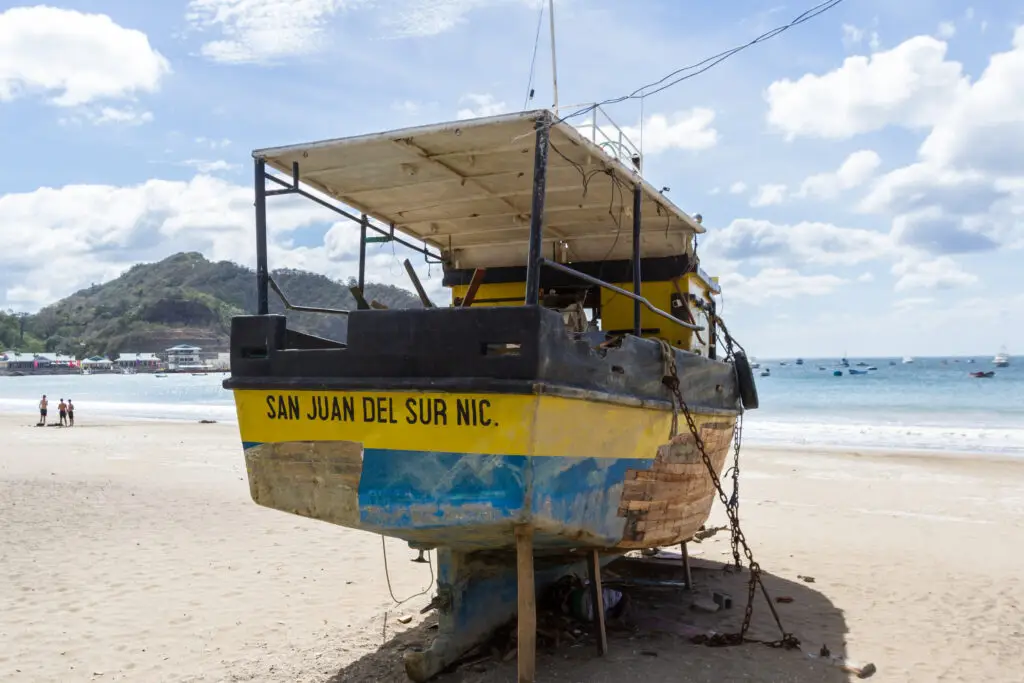
Now cross to the other side of Nicaragua. San Juan del Sur sits on a beautiful crescent-shaped bay on the Pacific coast. Forested hills wrap around the town. The ocean rolls in with consistent waves. The atmosphere feels lively yet relaxed.
This former fishing village has grown into one of the most popular beach destinations in the country. Surfers chase swells. Travelers gather for sunset drinks. Locals and visitors mix easily in the streets and on the sand.
The town itself stays walkable. Colorful buildings line the main streets. Beachfront restaurants and bars face the bay. A giant statue of Christ of the Mercy watches over everything from the northern headland.
San Juan del Sur serves as the perfect base for exploring the surrounding Pacific beaches. Each one offers a different mood and different waves.
Surf and Beaches Around San Juan del Sur
The main town beach works well for swimming, walking, and watching the sunset. The sand stretches wide. The bay stays relatively protected. For better surf head north or south. Playa Maderas ranks among the most popular breaks. Consistent waves and a fun scene draw intermediate and advanced surfers. Beginners often start at gentler spots closer to town or take lessons.
Playa Maderas
Playa Maderas sits just north of San Juan del Sur on Nicaragua’s Pacific coast. It feels a world away from the town’s busy streets. Here the jungle rolls right down to the beach. Rocky outcrops rise from the water like ancient guardians. The waves keep rolling in day after day.
Playa Marsella
Playa Marsella is a Pacific treasure sits just north of San Juan del Sur in Nicaragua. It offers pure tropical calm without the heavy crowds found at busier beaches. Travelers who find Playa Marsella often return again and again. The bay feels personal. The light feels special. The pace invites you to slow down and simply enjoy.
Playa Majagual
Playa Majagual sits north of San Juan del Sur in Nicaragua, close to the more famous Playa Maderas. Locals sometimes call it the Secret Beach. The atmosphere feels almost deserted. Driftwood and coconuts wash ashore. Footprints in the wet sand often belong only to you. Travelers who discover Playa Majagual fall in love with its raw, untouched beauty and the sense of having found a private corner of the coast.
Playa Remanso
Playa Remanso is Pacific gem sits just south of San Juan del Sur in Nicaragua. It delivers consistent yet forgiving surf that welcomes first-timers and longboarders alike. Families love the calm conditions. Surfers appreciate the uncrowded peaks. Travelers who discover Playa Remanso often call it one of the most approachable beaches on the entire coast.
Playa Hermosa
Playa Hermosa expansive Pacific beach sits roughly twelve kilometers south of San Juan del Sur in Nicaragua. It offers room to spread out, consistent surf for many skill levels, and a quieter atmosphere than busier spots closer to town. Travelers who find Playa Hermosa often describe it as one of the most beautiful and spacious beaches in the area. The long shoreline, the views toward Costa Rica on clear days, and the easy mix of surfing and relaxing create lasting memories.
Other Nearby Beaches
Other nearby beaches offer quieter sand and swimming. Some require a short drive or boat taxi. Each has its own character. Some stay calm for families. Others deliver more powerful waves for experienced riders. The Pacific side of Nicaragua delivers dramatic sunsets almost every evening. The sky turns deep orange, pink, and purple. People gather on the sand or at beach bars to watch the show. The moment feels magical every time.
Surf conditions change with the seasons and the swell. Local shops rent boards and offer lessons for all levels. Many visitors improve their skills during a week-long stay.
Nightlife and Social Energy in San Juan del Sur
Evenings bring a different energy. Bars and restaurants fill with a mix of locals, expats, and travelers. Live music appears on some nights. Conversation flows easily. The famous Sunday Funday pool crawl draws big groups every week. People move from venue to venue in a festive atmosphere. Other nights feature karaoke, open mics, trivia, and casual gatherings.
Venues like Tuanis Resto Bar sit right on the waterfront. They host regular events including karaoke Thursdays and hangover Mondays. The location offers great views of the bay while you enjoy food and drinks.
Other spots around town create a friendly social scene without feeling overwhelming. You can dance if you want or simply sit with a cold drink and watch the water. The mix of people stays international yet grounded in local Nicaraguan life. You hear many languages. You also meet long-term residents who share tips and stories.
Check the Tuanis Resto Bar venue page and the full event calendar for current happenings.
Day Trips and Local Flavor from San Juan del Sur
From San Juan del Sur you can reach more of southwestern Nicaragua easily. Short trips lead to other beaches, small towns, and nature spots. Food focuses on fresh seafood, grilled meats, and tropical fruit. Local markets supply everything you need. Beachfront restaurants serve the catch of the day. Small cafes offer strong coffee and fresh juice.
The town mixes everyday Nicaraguan life with a steady stream of travelers. You see fishing boats in the morning and surfers in the afternoon. Families gather on the beach. Music plays from open windows. Many visitors use San Juan del Sur as a base for a week or more. The combination of surf, social life, and easy day trips keeps the days full without feeling rushed.
Explore related pages for specific beaches, hostels, and venues in the area.
Bluefields: The Caribbean Coast Hub of Nicaragua
Bluefields sits on a lagoon along Nicaragua’s Caribbean coast. It serves as the main gateway to the southern Caribbean region and the jumping-off point for the Corn Islands. The town carries a strong Creole and Afro-Caribbean character. English Creole mixes with Spanish in the streets. Music and food reflect that rich blend.
The famous Palo de Mayo festival in May turns the whole town into an open-air celebration. Music, dancing, and colorful costumes fill the streets for weeks. You can take a short panga ride to El Bluff for a simple beach day. Pearl Lagoon and the nearby Pearl Cays offer even quieter Caribbean escapes. The CIDCA museum shares the history and culture of the region.
Bluefields works best as a stop on the way to the islands or as a base for exploring the wider Caribbean coast. The energy feels different from the Pacific side and adds important depth to any Nicaragua trip.
Diriamba: Culture, Beaches, and Local Traditions
Diriamba sits in the Carazo department south of Managua. The town is known for its strong cultural traditions and easy access to Pacific beaches.
The annual festival of San Sebastián in January features the famous Güegüense, a satirical dance-drama recognized by UNESCO. Colorful processions and music fill the streets.
Nearby beaches such as La Boquita and Casares offer swimming, simple seafood restaurants, and a relaxed local atmosphere. The Tropical Habitat Museum displays the flora and fauna of the dry tropical region.
Diriamba gives travelers a look at everyday Nicaraguan life away from the main tourist hubs. It pairs well with a visit to the Pacific coast or as a short stop between Managua and San Juan del Sur.
Estelí: Highlands, Cigars, and Cool Mountain Air
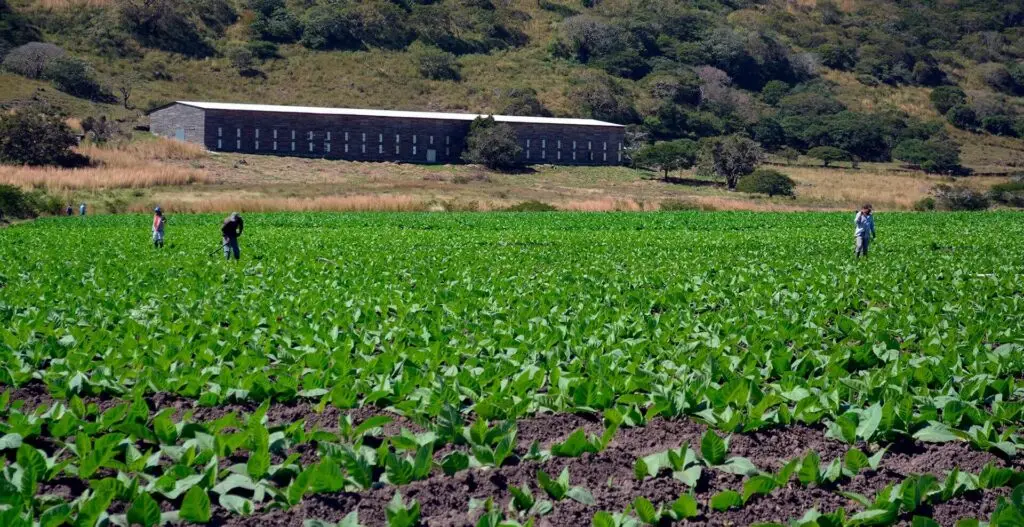
Estelí sits in the northern highlands and is often called the Diamond of the Segovias. The climate feels cooler than the lowlands. The surrounding mountains stay green and inviting.
The city is the heart of Nicaragua’s cigar industry. Many factories welcome visitors for tours where you can watch the careful process of rolling premium cigars.
Street murals cover many walls and tell stories of local history and culture. The Miraflor Nature Reserve nearby offers cloud forest, organic farms, waterfalls, and community stays.
Coffee grows well in the hills around Estelí. Local cafés serve excellent cups. The combination of culture, nature, and cooler temperatures makes Estelí a refreshing stop on any northern itinerary.
Granada: Colonial Charm on the Shore of Lake Nicaragua
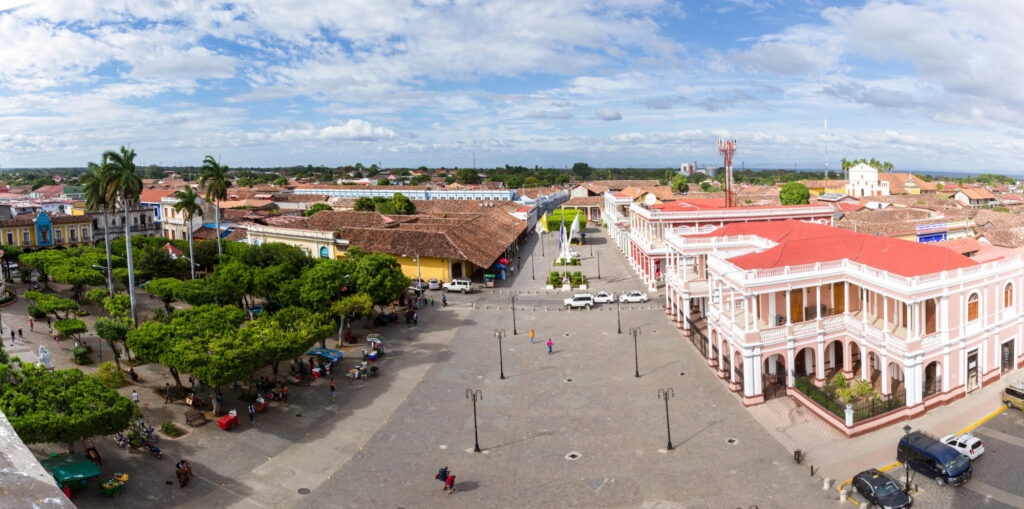
Granada is one of the oldest colonial cities in Central America and one of the most beautiful. Bright yellow and pastel buildings line cobblestone streets. The yellow cathedral rises above Parque Central.
Horse-drawn carriages still clip-clop through the historic center. The Convento San Francisco museum holds impressive pre-Columbian statues. Two chocolate museums let you taste Nicaragua’s growing cacao scene.
Just offshore the Isletas de Granada form a chain of small islands created by an ancient eruption of Mombacho Volcano. A boat tour through the islets is one of the most peaceful experiences in the country.
Nearby Laguna de Apoyo offers clear crater-lake swimming. Masaya Volcano sits only a short drive away. Granada works perfectly as a base for exploring the surrounding region or as a highlight on any Nicaragua route.
León: Colonial Streets and Volcano Adventures
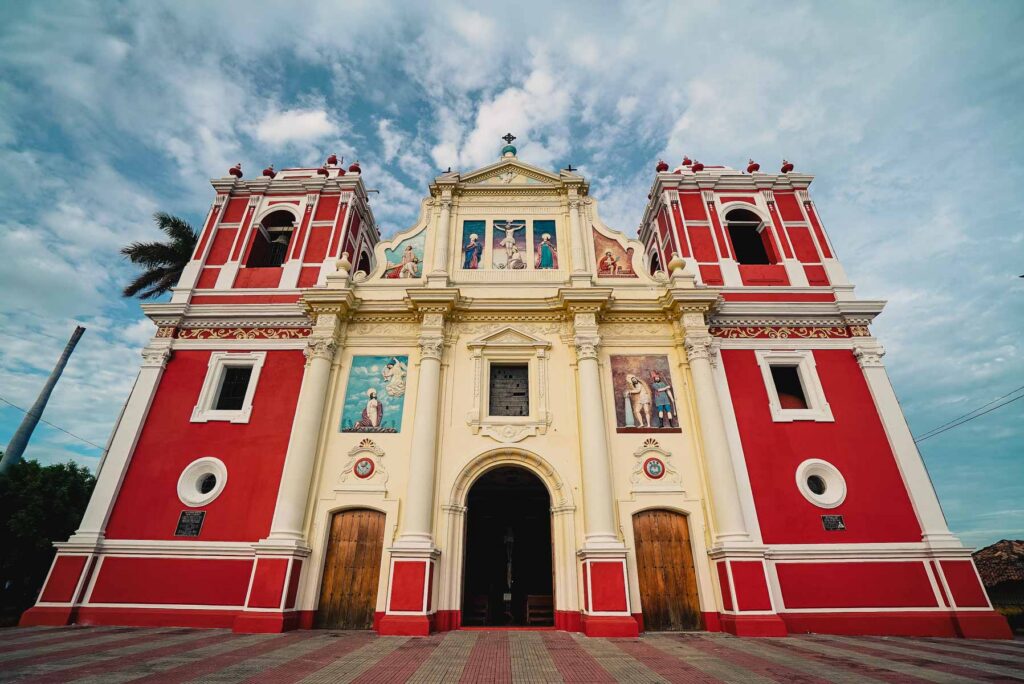
León is another major colonial city with a different energy from Granada. The cathedral is the largest in Central America. The streets feel lively and a bit more raw.
The big adventure here is volcano boarding on Cerro Negro. You hike up the black volcanic cone and then slide down the steep ash slopes on a wooden board. Speeds can reach fifty kilometers per hour. It is one of the most unique experiences in Nicaragua.
The city also offers strong street art, good museums, and a vibrant student atmosphere. Many travelers base themselves in León for several days to combine city exploration with volcano trips.
Managua: The Capital and Gateway to Nicaragua
Managua is the capital and main international arrival point. Most travelers spend only a short time here before moving on, yet the city has its own character.
Plaza de la Revolución and the old cathedral damaged by the 1972 earthquake form the historic heart. The Malecón along Lake Managua comes alive in the evenings. Loma de Tiscapa offers views over the city and a large silhouette of Sandino.
The Huellas de Acahualinca museum preserves ancient footprints in volcanic mud. Markets and the newer cathedral also reward a short visit.
Managua works best as a practical gateway. From here you can reach every other destination in the country by shuttle, bus, or domestic flight.
Masaya: Volcano Views and Handicraft Markets
Masaya sits between Managua and Granada and is famous for two things: its active volcano and its handicraft market. On clear nights you can see the glow of the lava lake. The experience feels powerful and accessible. Masaya Volcano National Park lets you drive almost to the rim of an active crater.
The old craft market in town is one of the best places in Nicaragua to buy hammocks, pottery, leather goods, and other handmade items. The selection is wide and the atmosphere lively.
Masaya makes an easy and rewarding day trip from either Granada or Managua.
Matagalpa: Coffee Country in the Northern Highlands
Matagalpa is the heart of Nicaragua’s coffee region. The city sits in the mountains with a cooler climate and green surroundings.
Coffee tours take you through plantations from seed to cup. You learn about the process and taste excellent local beans. Selva Negra Ecolodge nearby combines a working coffee farm with cloud-forest trails and wildlife.
The Coffee Museum in town explains the history of the industry. The surrounding hills offer hiking and quiet rural stays.
Matagalpa appeals to travelers who want nature, culture, and a break from the heat of the lowlands.
Ometepe Island: Twin Volcanoes Rising from the Lake
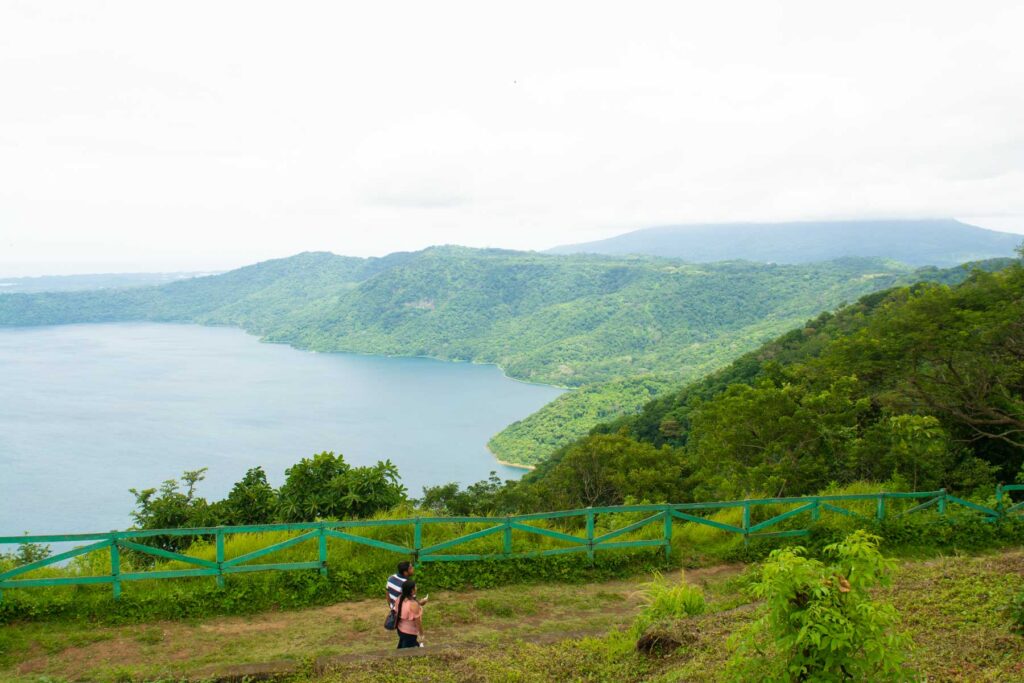
Ometepe Island sits in the middle of Lake Nicaragua and is formed by two volcanoes connected by a narrow isthmus. The shape looks like a figure eight from the air.
Concepción is the taller active volcano. Maderas is the greener and more forested of the two. Hiking either one is a full-day adventure with guides recommended.
Ojo de Agua is a natural spring pool perfect for swimming. San Ramón waterfall tumbles through the forest. Petroglyphs from pre-Columbian times appear across the island. Black-sand beaches line parts of the shore.
Getting to Ometepe Island requires a ferry from San Jorge near Rivas. Once there the pace slows. The island feels peaceful and unique. Many travelers say it becomes a highlight of their entire Nicaragua trip.
Tola: Quiet Beaches and Surf Spots
Tola is the municipality that includes many of the best Pacific beaches south of San Juan del Sur. Playa Gigante, Playa Colorado, Playa Amarillo, and others offer a mix of surfing and quiet sand.
Some beaches feel more developed with restaurants and simple lodging. Others stay almost empty. The coastline benefits from the same consistent offshore winds that improve the surf.
Tola gives travelers a chance to escape the busier towns and find their own stretch of Pacific beach. It pairs naturally with a stay in San Juan del Sur or Popoyo.
Popoyo Beach: Consistent Pacific Surf
Popoyo sits on the Pacific coast in the Tola area and is known for some of the most consistent waves in Nicaragua. The main reef break works on most swells and offers both lefts and rights.
Offshore winds from Lake Nicaragua keep the waves clean for much of the year. Intermediate and advanced surfers find excellent conditions. Beginners can find softer beach breaks nearby.
The area stays quieter than San Juan del Sur yet still has good accommodation and food options. Sunset views over the Pacific are spectacular.
Popoyo works well as a dedicated surf stop or as part of a longer Pacific coast exploration.
The Nicaragua Real Estate Market
Nicaragua’s real estate market continues to attract foreign buyers. Prices remain affordable compared to Costa Rica or Panama. Beachfront lots, colonial homes, and island properties offer strong entry points.
Foreigners can own titled property in their own name in most cases. Coastal zones sometimes carry specific rules, yet clear titles exist. Demand grows from retirees, investors, and lifestyle seekers. Rental yields often range from 5% to 8% in tourist areas.
The Corn Islands stand out. Big Corn Island and Little Corn Island provide Caribbean paradise. Beachfront homes, eco-lodges, and vacant lots appeal to many. Tourism supports vacation rentals year-round.
Infrastructure improves steadily. Better roads and internet help remote areas. Still, due diligence remains essential. Work with trusted local experts for title checks and legal steps.
Our team at Corn Island Realty guides clients through every stage. Review common questions on our Nicaragua Real Estate FAQs page. See current opportunities via our properties list.
Connecting the Destinations Across Nicaragua
One of the best parts of traveling in Nicaragua is moving between these different worlds. You can start on the Pacific coast in San Juan del Sur or Popoyo, move inland to Granada and León, then head to Ometepe, and finish on the Corn Islands.
Domestic flights link Managua with Big Corn Island. Tourist shuttles connect the major Pacific and colonial destinations. Ferries reach Ometepe. Pangas serve the Caribbean coast.
Build extra time into your plans. The country rewards slow travel. Each region feels distinct yet they all share the same warm Nicaraguan hospitality.
Practical Tips for Exploring All of Nicaragua
Pack light and smart. Bring reef-safe sunscreen, a good hat, comfortable walking shoes, and a light rain jacket. Quick-dry clothing works well in the humidity.
The dry season runs roughly from December to April. Days stay sunny and warm. The rainy season from May to November brings greener landscapes and fewer crowds. Both periods work well depending on your preferences.
Cash remains useful, especially on the Corn Islands and in smaller towns. ATMs exist in the larger cities. Most places accept dollars as well as córdobas.
Spanish helps in daily interactions but English works fine in tourist areas and on the islands. Learning a few local phrases goes a long way.
Respect the local pace. Things move slower here than in many places. That slower rhythm forms part of the charm.
Stay hydrated. Fresh coconut water refreshes perfectly on hot days.
Culture, Food, and Everyday Joys Across Nicaragua
Nicaragua’s culture shines through its people. Warm hospitality appears everywhere you go. Conversations start easily. Strangers become friends quickly.
Food stays simple, fresh, and delicious. Gallo pinto appears at breakfast across the country. Fresh ceviche and grilled fish dominate coastal meals. On the Corn Islands rundown and coconut-based dishes rule the table. In the highlands you find excellent coffee and local cheese.
Music ranges from traditional folk to modern reggae, soca, and Latin beats. Festivals and weekly gatherings keep the energy high.
Nature surrounds you at every turn. Volcanoes, lakes, rainforests, and two different oceans create constant variety.
Travelers often say the same thing after a trip. They came for the beaches and stayed for the feeling. Nicaragua feels welcoming, real, and full of small daily joys.
Making the Most of Your Time in Nicaragua
Plan a minimum of ten days if possible. That gives you time for both coasts and at least one inland destination without rushing. Two weeks feels ideal for a fuller experience.
Book the domestic flight to the Corn Islands in advance during peak periods. Reserve ferries and popular tours when needed.
Talk to locals wherever you go. They share the best current spots, the freshest food recommendations, and the little details that make a day special.
Take time to simply sit. Watch the waves. Listen to the palm fronds moving in the wind. Breathe the salt air. Notice the changing light. Those quiet moments often become the strongest memories of the entire trip.
Balance activity with rest. Some days fill with surfing, volcano boarding, or hiking. Other days invite long beach walks and lazy afternoons. Both kinds of days feel perfect in Nicaragua.
Invitation to Experience All of Nicaragua
Nicaragua waits with open arms and genuine warmth. The Corn Islands offer Caribbean turquoise water and island calm. San Juan del Sur delivers Pacific waves and friendly social energy. Granada and León bring colonial beauty and volcano adventures. Ometepe rises from the lake with twin peaks. The highlands offer coffee and cool air. Bluefields and the smaller Pacific beaches add even more variety.
Start with the main categories in the Nicaragua dropdown menu. Dive into the full pages for the Corn Islands and San Juan del Sur. Explore Granada, León, Ometepe, and every other destination. Follow the internal links to each subcategory landing page. Each one expands the story with more details, tips, and inspiration.
Whether you seek quiet mornings on white sand, good surf, fresh seafood, new friends, volcano views, or simply a slower pace of life, Nicaragua delivers. The journey feels easy once you begin. The memories last for years.
Come see why so many travelers fall in love with this special country. Your Nicaragua adventure starts right here. From this page the rest of the country opens up through every linked guide.
Enjoy every moment. Travel slowly. Taste everything. Talk to people. Watch the sky. Nicaragua rewards those who arrive with open eyes and an open heart.