


This post is also available in:
Big Corn vs. Little Corn: Which Caribbean Paradise Claims Your Heart?
Imagine turquoise water so clear you can count the fish from your hammock. Picture palm trees swaying over empty white sand. Feel the warm Caribbean breeze carrying reggae rhythms and the scent of fresh lobster. That dream lives just off Nicaragua’s Caribbean coast. Yet one big question always pops up for travelers and dreamers alike.
Big Corn vs. Little Corn. Which island steals your heart?
These two sister islands sit roughly 70 kilometers from the mainland. They share the same crystal sea and Creole soul. However, they deliver completely different experiences. Big Corn Island offers easy access, longer beaches, and everyday convenience. Little Corn Island delivers pure barefoot freedom, jungle paths, and that rare off-grid magic.
This guide walks you through every side of the Big Corn vs. Little Corn debate. You will discover beaches, food, adventures, daily life, and even real estate opportunities. By the end you will know exactly which paradise fits your style. Ready for some island fun? Let’s dive in.
Getting There: The First Big Difference in Big Corn vs. Little Corn
Most journeys begin the same way. You fly from Managua on La Costeña for about one hour. The small plane lands on Big Corn Island. That single fact shapes everything.
Big Corn has the only airport. Taxis wait outside. Roads connect the villages. You can rent a scooter or simply hop in a cab for a dollar or two. Daily life feels straightforward.
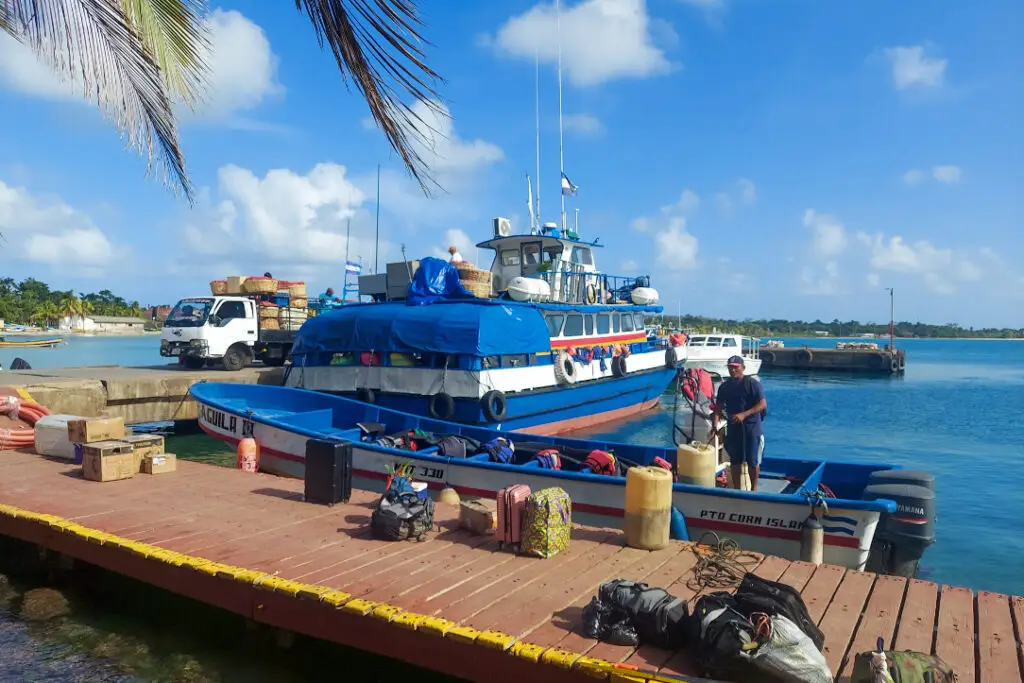
Little Corn sits just 30 to 45 minutes away by open panga boat. The ride itself becomes an adventure. Waves slap the hull while flying fish skip across the surface. You arrive at a simple dock with no cars in sight. Only sandy paths and the occasional golf cart or wheelbarrow greet you.
For full details on schedules and tips, check our Little Corn Island ferry guide. Many visitors spend a night or two on Big Corn first. Others head straight to the panga. Either way, the journey highlights the core of Big Corn vs. Little Corn. One island welcomes you with infrastructure. The other invites you to slow down the moment you step ashore.
Size, Population, and Everyday Vibe
Big Corn Island covers roughly 10 square kilometers. About 7,000 to 8,000 people call it home. You find shops, a hospital, banks, and 24-hour electricity. Cars and motorbikes move along paved and dirt roads. The atmosphere stays relaxed yet lively. Locals chat in English Creole, Spanish, and Miskito. Baseball games draw crowds. Evening reggae drifts from beach bars.
Little Corn Island measures only about 3 to 4 square kilometers. Fewer than 1,000 residents live there year-round. No cars exist. Paths wind through jungle and along the shore. Electricity often runs on generators with limited hours. The pace feels almost timeless. You walk everywhere. You hear waves and birds instead of engines.
According to Wikipedia’s overview of the Corn Islands, both places preserve a strong Afro-Caribbean Creole culture. Yet the daily rhythm differs sharply. Big Corn lets you grab groceries or visit a clinic without planning. Little Corn asks you to embrace simplicity. Many travelers say Big Corn feels like a friendly Caribbean town. Little Corn feels like a private tropical hideaway.
This contrast sits at the heart of every Big Corn vs. Little Corn conversation. Choose convenience and local energy, or choose pure quiet and nature. Both remain blissfully free of mega-resorts and cruise ships

Beaches and Natural Beauty Showdown
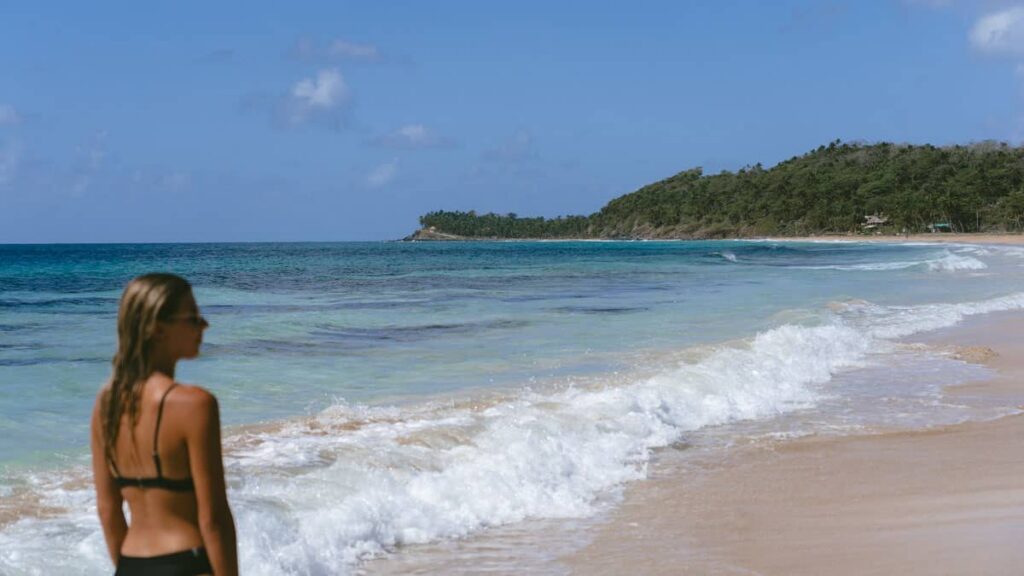
Beaches often decide the winner for visitors. Big Corn boasts longer, wider stretches of sand. Long Bay offers golden sand and gentle waves perfect for swimming. Southwest Bay and Sally Peaches deliver postcard views with fewer crowds. You can walk for ages without seeing another soul. Palm trees line the shore. Hills rise behind for easy hikes and sunset lookouts.
Little Corn features more intimate coves. The beaches feel wilder and closer to the reef. You often snorkel straight from the sand. Jungle comes right down to the water in places. The northern and eastern shores hide quiet spots where you might have the entire beach to yourself.
Many experienced travelers claim Big Corn actually has the prettier beaches. Others fall hard for Little Corn’s raw, secluded feel. In the Big Corn vs. Little Corn beach battle, it depends on what you crave. Wide open sand and easy access? Head to Big Corn. Hidden coves and that castaway vibe? Little Corn wins.
Both islands sit inside healthy coral systems. Sea turtles, rays, and colorful fish thrive nearby. For a deeper look at the islands’ overall beauty, visit our Corn Islands Nicaragua page.

Activities and Adventures: Dive In or Slow Down
Adventure seekers find plenty on both islands. Diving and snorkeling rank among the top draws. The reefs around Little Corn sit especially close to shore. Many dive sites start just a short boat ride away. Big Corn also offers excellent underwater exploration, including shipwrecks and deeper sites.
You can kayak, paddleboard, or try sport fishing for mahi-mahi and sailfish. Hiking trails lead to viewpoints on both islands. On Big Corn you might rent a scooter and circle the entire island in under an hour. On Little Corn you walk or bike every path at a gentle pace.
Yoga retreats and massage spots appear more often on Little Corn. Beach bars with live music feel easier to find on Big Corn. Families often prefer Big Corn for its taxis and longer beaches. Solo travelers and couples chasing solitude lean toward Little Corn.
Check out current vacation rentals if you want a base for exploring. Or browse our properties list for longer stays. The activity menu in Big Corn vs. Little Corn stays similar. The delivery style changes completely.
Food, Drink, and Island Nights
Seafood rules the menu everywhere. Fresh lobster, snapper, and rundown stew (coconut-based and full of flavor) appear daily. Big Corn offers more restaurant variety. You find local spots plus places serving pizza, burgers, and international dishes. Spots like Spekito’s Place keep things lively.
Little Corn leans simpler and fresher. Many meals come from the day’s catch. Cafés such as Tranquilo Café mix local flavors with Western comforts. Evenings stay quiet. A few bars play reggae under the stars. Bonfires on the beach happen often.
Big Corn nights feel a bit more social. You can move between several spots. Little Corn nights invite deep conversation or pure silence under the Milky Way. Prices stay lower on Big Corn for everyday meals. Little Corn can cost a bit more because supplies arrive by boat.
Either way, the food tastes like pure Caribbean sunshine. For more dining inspiration, explore our services page or simply ask locals once you arrive.
Where to Stay: Comfort Meets Character
Accommodation styles mirror the islands. Big Corn features a wider range. You find simple guesthouses, beachfront rooms, and a few larger hotels. Options like beachfront studios or ocean-view homes appear regularly. Check Big Corn Island vacation rentals or the beachfront room options for ideas.
Little Corn favors eco-lodges, wooden bungalows, and intimate villas. Many places run on solar power and rainwater. The atmosphere stays personal. Look at the Little Corn Island vacation rental or hillside homes for that private feel.
Both islands keep development low. You rarely see large concrete resorts. The result feels authentic. Guests often return year after year.
If you want full support during your stay, our provisioning services can stock your kitchen with local fruit, snacks, and beverages before you arrive.
Real Estate and the Chance to Own a Slice of Paradise
Travel often sparks bigger dreams. Many visitors fall so hard for these islands that they start looking at property. The real estate market in Big Corn vs. Little Corn remains one of the Caribbean’s more accessible secrets.
Big Corn offers more developed lots and homes with easier logistics. Roads, electricity, and supplies make building simpler. Oceanfront properties and hillside homes with views appear regularly. Examples include the Big Corn Island oceanfront home and various lots starting at attractive prices.
Little Corn provides rarer, more exclusive land. The car-free lifestyle and limited supply create strong appeal. Beachfront parcels and elevated homes with panoramic views attract buyers seeking privacy. See the Little Corn Island beachfront for sale or the Point of View home for current opportunities.
Foreigners can own property with proper legal guidance. Rental demand from tourism supports solid returns on well-located homes. Our team at Corn Island Realty specializes exclusively in these two islands. We handle everything from title checks to ongoing property management.
Learn more about the broader market on our Nicaragua real estate Corn Island guide and income-producing properties page. Whether you want a vacation home or a full-time escape, the Big Corn vs. Little Corn choice extends far beyond a short trip.
Cost of Living, Practical Tips, and Daily Realities
Daily costs stay lower than most Caribbean destinations. Local seafood, fruit, and simple meals remain affordable. Big Corn generally runs cheaper for groceries and transport. Little Corn prices rise slightly because everything arrives by boat.
Cash still rules many transactions, especially on Little Corn. ATMs exist mainly on Big Corn, so plan ahead. Internet works better on Big Corn. Little Corn offers limited but improving service. Medical care is basic on both islands. Serious cases head to the mainland.
The climate stays tropical year-round. Dry season runs roughly December to April. Rainy months bring lush greenery and fewer visitors. Both islands feel safe and welcoming. Locals treat visitors like temporary neighbors.
For broader context on living in the country, visit our Nicaragua page. Practical planning tips also appear throughout our blog section.
Who Should Choose Big Corn? Who Belongs on Little Corn?
Big Corn suits travelers who value ease. Families with young children, first-time Caribbean visitors, and anyone who likes taxis, longer beaches, and more dining options usually prefer it. Investors who want simpler construction and management also lean toward Big Corn.
Little Corn calls to those chasing pure disconnection. Couples on romantic escapes, solo adventurers, divers, and people ready to walk everywhere fall in love with it. Buyers seeking exclusive, low-density property often choose Little Corn for its unique character.
Many smart visitors split their time. Spend a few days on Big Corn for convenience and exploration. Then hop the panga to Little Corn for the full barefoot experience. That combination often creates the perfect trip.
Read more traveler perspectives on Wikivoyage’s Little Corn Island page for additional independent insights.
Making Your Decision and Taking the Next Step
Big Corn vs. Little Corn never has one correct answer. It depends on the kind of magic you seek. Do you want easy access, lively local energy, and long empty beaches? Big Corn delivers. Do you crave silent paths, reefs right offshore, and a feeling that time has slowed? Little Corn waits for you.
Both islands still feel like secrets. Tourism grows gently. The Creole culture remains warm and genuine. The water stays that impossible shade of turquoise. Whether you come for a week or start dreaming of a permanent home, these islands reward curiosity.
Ready to experience them yourself? Browse our full properties list, explore Yemaya Reefs and other luxury options, or simply contact us for personalized advice. Our team lives here. We know every beach, every path, and every property opportunity.
The Caribbean does not get more authentic than this. Pack light. Bring curiosity. Decide later which island wins your heart in the eternal Big Corn vs. Little Corn debate. Paradise is already waiting.


