
This post is also available in:
Nicaragua Real Estate: The Complete 2026 National Market Guide
Nicaragua real estate continues to draw international buyers in 2026 because it combines genuine lifestyle appeal with relatively accessible pricing. The national market offers colonial homes, Pacific beach properties, highland retreats and Caribbean options at levels still below those found in Costa Rica or Panama. Median residential prices sit near $145,000 while averages reach approximately $165,000 due to higher-end inventory. Clean-title homes in proven locations remain the strongest performers.
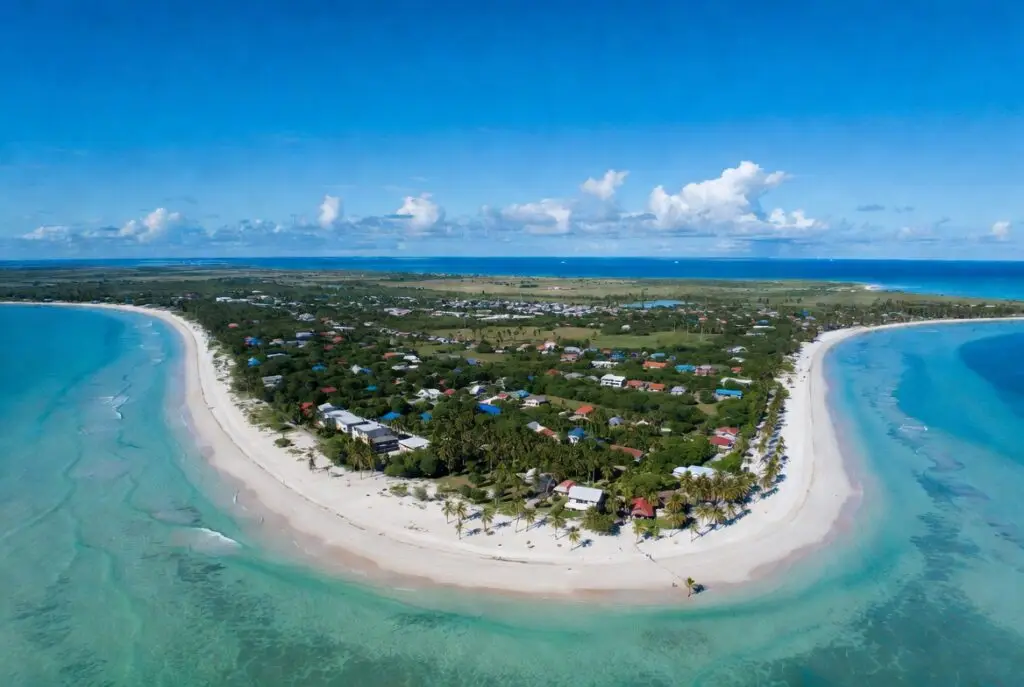
This detailed guide covers the full scope of Nicaragua real estate. You will find current pricing, neighborhood insights, ownership rules, cost breakdowns and practical strategies for every major region. The content stays travel-oriented because most purchases begin with a visit that turns into a longer commitment. Our team at Corn Island Realty focuses on the islands yet helps clients evaluate opportunities across the country. Start by reviewing the company overview on the About page or send questions through the Contact Us page.
National Market Overview for Nicaragua Real Estate in 2026
The Nicaragua real estate market in 2026 shows steady rather than explosive growth. National residential prices have risen roughly 5% to 8% over the past year. Stronger gains of 8% to 12% appear in Pacific coastal zones and selected Managua neighborhoods. Ordinary inland homes advance more slowly. The market stays largely cash-driven. Local mortgages exist but remain selective for foreign buyers.
Supply is uneven. Clean-title, ready-to-occupy homes in desirable areas sell more quickly. Overpriced or complicated titles can remain listed for many months. Average days on market range from 90 to 150 days for well-priced properties. Most transactions close between 88% and 94% of asking price.
Three main forces shape demand. Remittances support local purchasers. Tourism growth fuels short-term rental interest. Foreign lifestyle buyers from North America, Europe and South America seek climate and value. For broader context explore the Nicaragua overview and the specialized Nicaragua real estate on Corn Island page. Current examples appear on the properties list and for-sale status pages.
Independent analysis of national trends is available from The Latinvestor detailed market reports.
Price Trends and Near-Term Outlook
Modest national appreciation of 3% to 7% is expected over the next twelve months in liquid areas. Prime coastal and upper Managua locations may perform better if tourism and foreign demand hold. Remote land and secondary stock may remain flat. Nicaragua real estate still offers better relative value than many regional peers, although the best addresses are no longer deeply discounted.
Buyer Profiles
Lifestyle buyers form the largest foreign group. They prioritize colonial character, ocean views or cooler highland settings. Investors focus on short-term rental potential or steady urban yields. A smaller segment pursues land for longer-term development. Most foreign purchases occur in cash.
Foreign Ownership Rules for Nicaragua Real Estate
Foreigners can own Nicaragua real estate with the same rights as citizens across most of the country. Freehold title is available in personal name or through a local corporation. No residency is required to buy. An investor residency option exists after meeting minimum investment thresholds, typically starting near $30,000 to $50,000.
Restricted zones include land within five kilometers of the international borders. Certain coastal strips fall under public-domain rules and usually require long-term leases of up to 99 years. These leases remain usable for residential and tourism purposes when correctly structured.
Practical steps include early engagement with a bilingual attorney, obtaining a literal registry certificate, verifying the cadastral map and confirming municipal tax status. Independent escrow protects deposits. Our services page explains how we connect clients with trusted counsel. Additional guidance appears on the Nicaragua property management page.
Ownership frameworks are also summarized on Global Property Guide.
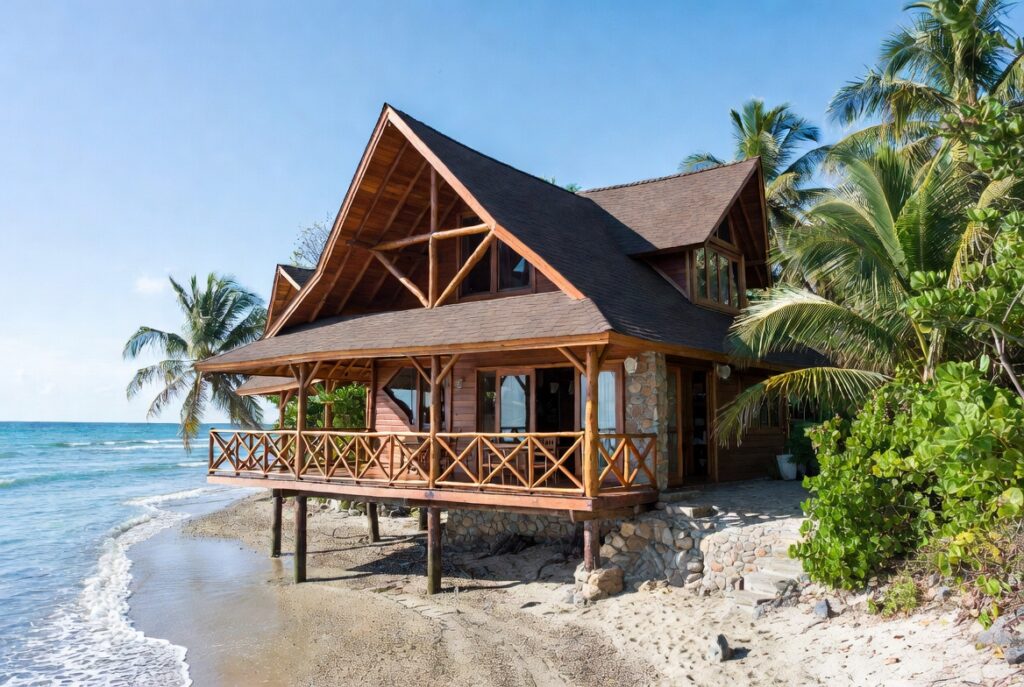
Closing Costs and Ongoing Expenses in Detail
Buyer closing costs for Nicaragua real estate typically total 5% to 10% of the purchase price. The progressive transfer tax is the largest component. Rates begin at 1% for properties up to $50,000 and rise to 7% above $500,000. Although the seller is legally responsible, negotiation often shifts part or all of the cost to the buyer in tourist areas.
Notary and legal fees usually combine for 1.5% to 3%. Registration fees run near 1% with practical caps. Surveys, escrow, stamps and miscellaneous items commonly add $1,000 to $3,000. Annual property tax remains low because cadastral values sit well below market. Many owners pay only a few hundred dollars per year.
Budget 7% to 8% as a comfortable buffer. Clean-title properties keep total costs toward the lower end. For related service support review the provisioning services page and the auto rental option.
Regional Analysis of Nicaragua Real Estate
Managua: Urban Infrastructure and Local Demand
Managua anchors the national economy. Median housing prices sit near $165,000. Strong neighborhoods such as Santo Domingo, Las Colinas and the Carretera a Masaya corridor offer better infrastructure and security. Apartments in solid buildings range from roughly $80,000 to $200,000. Gross yields in good locations often reach 7% to 11%.
The urban market benefits from employment and services. Traffic remains a consideration. Many foreign buyers use Managua as a practical base. Inventory examples and management options appear on the for-rent status page and the main home page.

Granada: Colonial Lifestyle and Visitor Traffic
Granada remains one of the strongest lifestyle markets in Nicaragua real estate. Median prices hover around $175,000. Restored colonial homes in the historic center frequently list between $250,000 and $600,000. Properties near Parque Central and Calle La Calzada attract the highest interest.
Short-term rental demand supports yields of 5% to 8% when homes are well managed. Walkability and cultural events create high satisfaction. Outlying areas offer lower entry points. Title and renovation quality vary, so independent review is essential. Related lifestyle information appears on the Corn Islands, Nicaragua page for comparative coastal living.
León: Cultural Value and Accessible Pricing
León delivers historic architecture and more moderate prices. Small houses and unrestored colonials often fall between $40,000 and $150,000. Premium restored homes reach $200,000 to $400,000. Student and tourism demand supports rental performance.
Volcano access and nearby Pacific beaches add outdoor appeal. The market feels less international yet continues to attract value buyers. Additional property examples can be viewed on the Little Corn Beach House for Sale listing and the Big Corn Hillside House page.
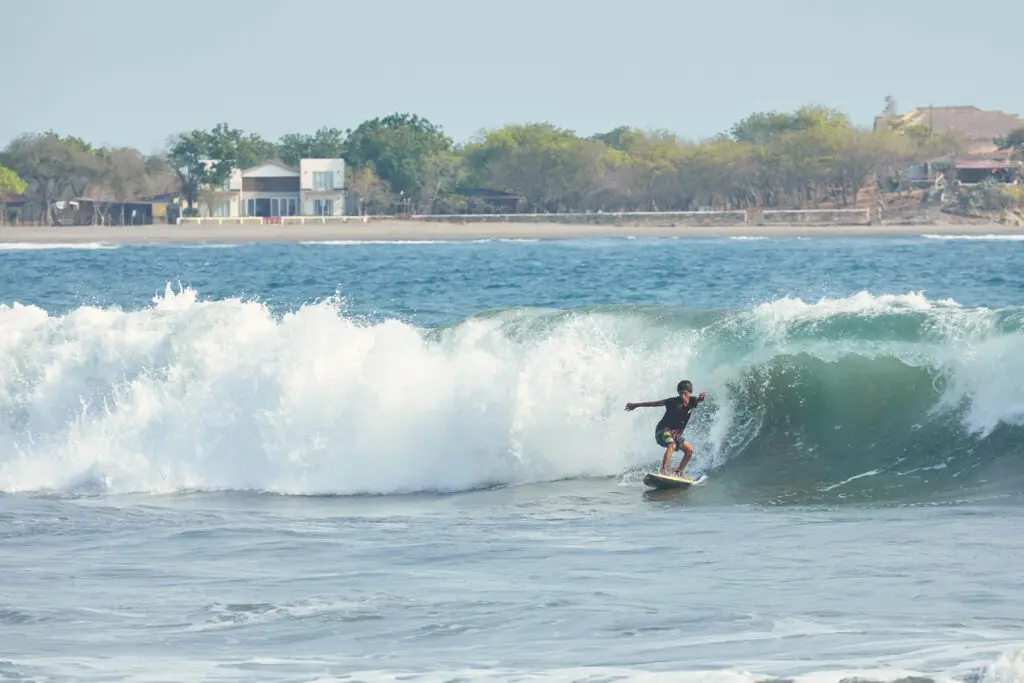
Pacific Coast: San Juan del Sur, Tola and the Emerald Coast
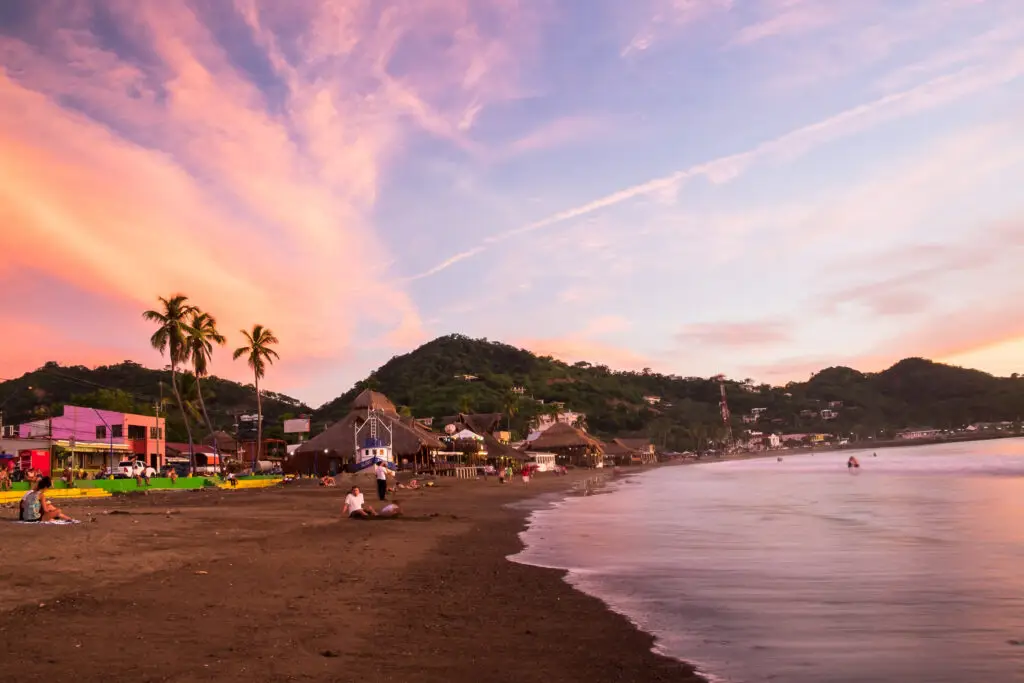
The Pacific coast is the most active segment of Nicaragua real estate. San Juan del Sur has matured into a full beach town. Beachfront and hillside homes commonly list from $200,000 to over $800,000. Further north, Tola communities attract higher-end buyers seeking gated amenities.
Short-term rental performance can deliver gross yields of 8% to 12% in strong locations. Land prices have risen for titled parcels with ocean proximity. The region remains more competitive for the best stock. Regional investment overviews are available through centralamerica.com resources.
Comparable island inventory appears on the Charming House for Sale Little Corn, Home for Sale Little Corn Island Point of View, Little Corn Island Beachfront for Sale, Big Corn Island Oceanfront Home and Big Corn Island Oceanfront Property pages.
Ometepe Island and Lake Nicaragua
Ometepe offers a dual-volcano setting with more moderate pricing. Properties lean toward eco-homes and modest houses. The market is thinner and primarily lifestyle-driven. Tourism growth supports limited rental potential. Access and title verification require extra attention.
For comparative island living review the Corn Island vacation rentals page and the Yemaya Reefs feature.
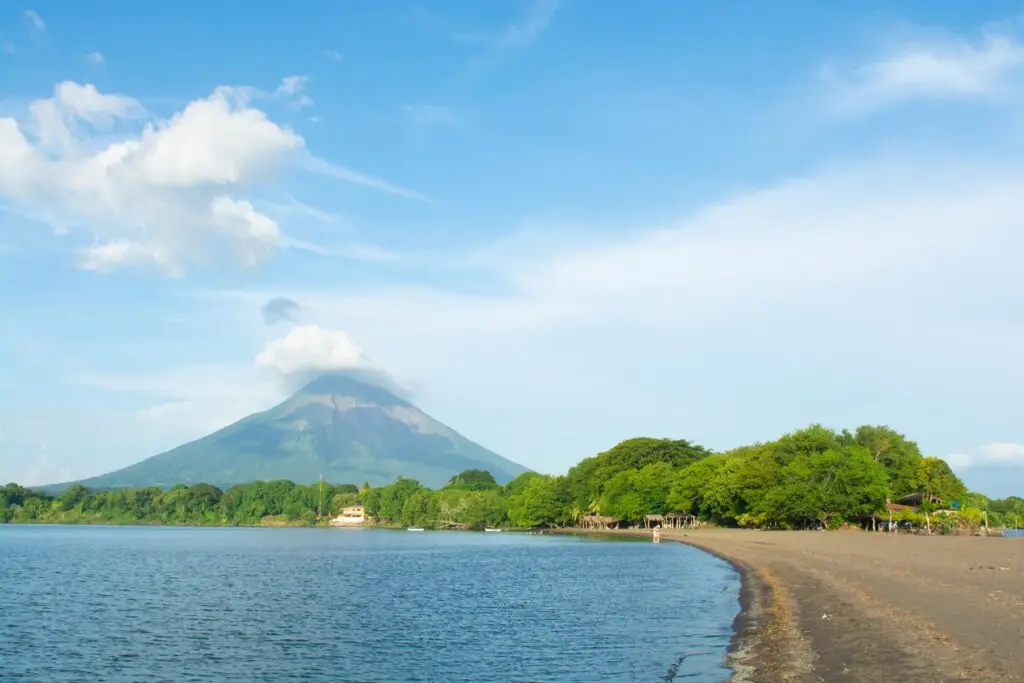
Northern Highlands: Matagalpa, Jinotega and Estelí
The highlands provide cooler climate and coffee culture. Entry prices often start under $100,000. Larger farms attract agricultural interest. Rental demand is more local. Appreciation has been moderate. The lifestyle emphasizes outdoor activity and quieter living.
Supporting services for remote ownership appear on the Nicaragua property management page and the provisioning services listing.
Caribbean Coast and the Corn Islands
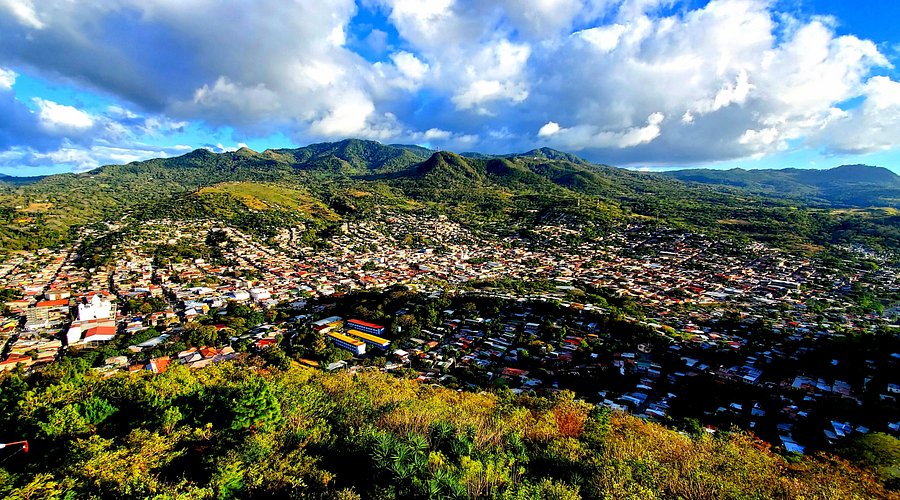
The Caribbean side offers distinct culture and natural character. The Corn Islands deliver clear water and relaxed beach living. Inventory is more limited than on the Pacific. Beachfront and hillside properties attract lifestyle and rental buyers.
Detailed island resources include the Little Corn Island Ferry guide, Nicaragua Hotel for Sale, Little Corn Island House for Rent, Big Corn Island Vacation Rental, Beachfront Room Big Corn Island, Beachfront Studio Big Corn Island, Midnight Star Room, Little Corn Island Vacation Rental, Sea Side Grill and heating and cooling features.

Investment Approaches Within Nicaragua Real Estate
Short-term rental strategies work best in tourism zones with professional management. Long-term urban rentals offer steadier occupancy in Managua and León. Lifestyle second homes prioritize personal enjoyment with optional seasonal income. Land purchases suit longer horizons when zoning and utilities are verified.
Foundational country information is available on Wikipedia’s Nicaragua page.
Short-Term Rental Focus
Tourism zones on the Pacific coast and in Granada offer the strongest short-term rental potential. Success depends on professional management, strong presentation and consistent marketing. Occupancy rates and nightly rates vary by season and property quality.
Long-Term Rental and Urban Yield
Managua and León provide more stable long-term tenant demand. Yields are often steadier though sometimes lower than peak vacation numbers. University towns and employment centers support consistent occupancy.
Lifestyle Second Homes
Many buyers prioritize personal enjoyment over pure yield. Colonial character, ocean views or cooler highland climates drive these decisions. Dual-purpose use (personal time plus seasonal rental) is common.
Land and Development
Titled land in growing corridors can serve longer-term strategies. Infrastructure progress and tourism expansion influence future value. Due diligence on zoning and utilities is critical.
The Buying Process Step by Step
Define goals and budget. Research and visit. Negotiate and sign a promise of sale with escrow. Complete full due diligence. Resolve issues. Execute the public deed. Pay taxes and fees. Register the title. Update municipal and utility records. Straightforward deals close in 30 to 90 days. Additional support appears on the services page and the Contact Us form.
- Define budget and preferred regions.
- Research inventory and visit multiple times.
- Make an offer and negotiate terms.
- Sign a promise of sale with deposit in independent escrow.
- Complete full title, cadastral and tax due diligence.
- Resolve any issues discovered.
- Execute the public deed before a notary.
- Pay transfer tax, notary, registration and related fees.
- Register the deed at the Public Registry.
- Update municipal records and transfer utilities.
Straightforward transactions usually close in 30 to 90 days. Complex titles or surveys extend the timeline. Professional guidance reduces friction at every stage.
Due Diligence Essentials
Obtain the literal registry certificate, ownership history, cadastral map, tax solvency, utility status and independent survey when needed. Never skip independent legal review.
- Literal certificate from the Public Registry
- Full ownership history and lien search
- Updated cadastral map and boundary verification
- Municipal tax solvency
- Utility status and transfer readiness
- Any HOA or community rules
- Seller identity and authority to sell
- Independent survey if boundaries appear unclear
Never skip independent legal review.
Key Risks and Practical Mitigation
Title gaps occur more frequently in older rural parcels. Coastal and border restrictions require correct legal structuring. Perception of political risk influences some foreign capital. Infrastructure quality varies outside major centers. Emotional overpaying remains a frequent error.
Mitigation centers on independent counsel, escrow, clean-title preference, realistic budgeting and multiple site visits. Professional management protects absentee owners.
Lifestyle and Daily Living Considerations
Cost of living stays relatively modest. Fresh food, domestic help and local transportation are affordable. Healthcare quality is higher in Managua and major towns. International schools exist in key locations. Community forms quickly among both local and foreign residents.
The lifestyle combination of natural beauty, cultural richness and reasonable ownership costs continues to convert visitors into buyers.
Future Outlook for Nicaragua Real Estate
Modest appreciation is expected to continue in proven locations. Tourism growth, remittances and foreign lifestyle demand provide underlying support. Liquidity will remain higher for clean-title properties in established areas. Buyers who prioritize due diligence and location quality should find the market constructive over the medium term.
Next Steps
Begin with clear goals and a realistic budget. Visit the regions that match your priorities. Work with experienced professionals. Review inventory through the resources linked throughout this guide, including the home page, About, Nicaragua, services, property management, vacation rentals, Corn Islands, all specific property pages already referenced, for-sale and for-rent categories, provisioning, Yemaya Reefs, ferry guide, Sea Side Grill, heating-cooling and the Contact Us page.
Nicaragua real estate in 2026 offers a compelling mix of lifestyle reward and relative value. Thorough research and professional support remain the keys to a successful purchase. When you are ready to move from information to action, local expertise is available to help.