
This post is also available in:
Cerro Negro Volcano: Board Down Nicaragua’s Youngest Active Cone
Imagine standing on black volcanic ash with the wind in your face. Below you stretches a steep slope of fine dark sand. In a few minutes you will slide down at thrilling speed. That is the magic of Cerro Negro Volcano.
This is Central America’s youngest volcano. It was born in April 1850 and still feels brand new. Its pure black cone rises near the colonial city of León. Travelers come from around the world for one unique reason: volcano boarding. Nowhere else on Earth can you board an active volcano quite like this.
Cerro Negro Volcano sits about 25 kilometers east of León inside the Reserva Natural Complejo Volcánico Pilas-El Hoyo. It reaches 728 meters. The dark scoria and ash make the slopes perfect for sliding. The hike up takes 45 to 60 minutes. The ride down lasts only a few minutes yet delivers pure adrenaline.
This guide covers everything you need. You will learn the history, the best way to board, safety tips, and how to combine the adventure with other Nicaraguan highlights. We keep the tone fun and travel-focused. A light real-estate note appears later for those who fall in love with the country.
Let’s get started.
Why Cerro Negro Volcano Feels So Special
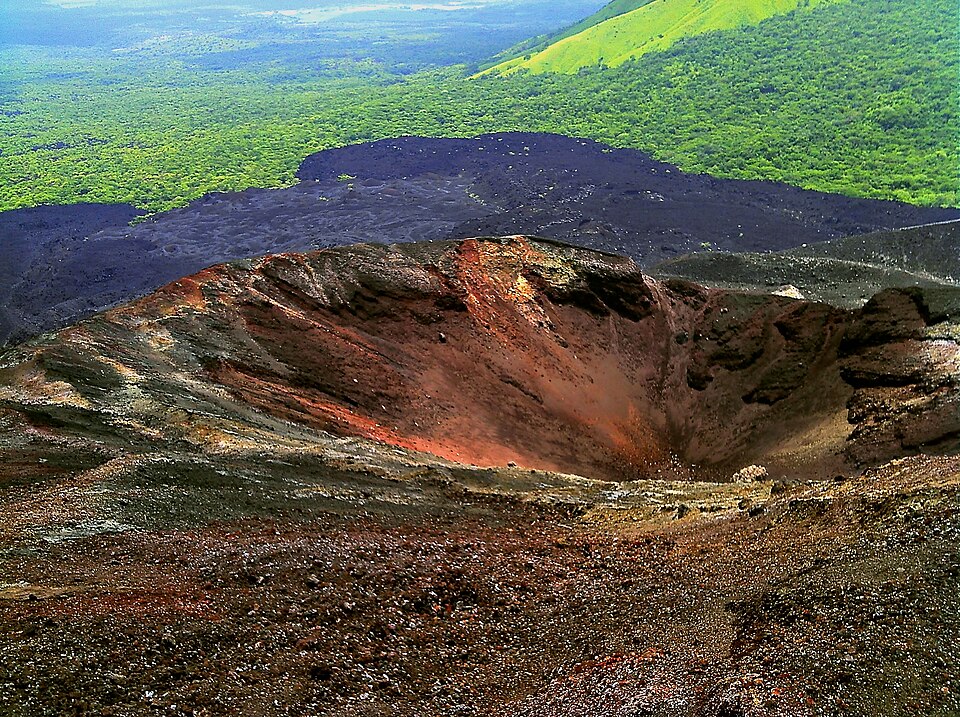
Most volcanoes look ancient and green. Cerro Negro Volcano looks raw and black. No vegetation grows on its upper slopes because of the constant ash and heat. The name itself means “Black Hill.”
It is a classic cinder cone. Frequent eruptions since 1850 built it quickly. Scientists count roughly 23 eruptions in its short life. The last major activity came in 1999. Since then the mountain has stayed quiet yet closely monitored.
The real star is the smooth black ash slope created by past eruptions. Strong winds sorted the fine material onto one perfect face. That face became the world’s best (and only true) volcano-boarding run.
From the crater rim the views stretch across the Maribios volcanic chain. On clear days you can see other cones and the distant Pacific. The contrast between the black cone and the green countryside is striking.
Many travelers base themselves in León. The city offers colonial streets, the largest cathedral in Central America, and lively hostels. From there the drive to Cerro Negro Volcano takes about 45 to 60 minutes on a rough road.
For a deeper look at the region, visit our León page. You can also explore the full country story on our Nicaragua overview.
The Short but Explosive History of Cerro Negro Volcano
Cerro Negro Volcano appeared suddenly on the night of 13 April 1850. Within weeks it had already grown tens of meters high. It kept erupting and building.
Major events came in 1947, 1968, 1971, 1992, 1995, and 1999. The 1992 eruption sent a tall ash column and forced thousands to evacuate from nearby towns and parts of León. Ash fell heavily on the city.
After the 1999 activity the mountain quieted. Fumaroles still release gas and heat, but no major eruptions have occurred since. Local authorities and INETER keep constant watch.
The volcano belongs to a group of young cinder cones along a northwest-southeast line. Nearby peaks include Las Pilas and El Hoyo. Together they form a protected natural reserve.
For scientific details the Smithsonian Institution Global Volcanism Program maintains excellent records. Wikipedia also offers a clear summary of its eruptive history.
Travelers love the youth of the mountain. It feels alive and accessible at the same time.
Volcano Boarding on Cerro Negro Volcano: The Ultimate Thrill
This is why most people come.
You start early from León. A 4×4 truck carries the group along dusty roads to the base. Guides hand out protective suits, gloves, goggles, and the wooden boards.
The hike begins. The path climbs steeply over loose rock and ash. Most people reach the rim in 45 to 60 minutes. At the top you rest, take photos, and listen to the safety talk.
Then the fun starts. You sit or lie on the board, lean back, and let gravity take over. Speeds can reach 50 to 80 km/h or more depending on your position and the conditions. The fine black ash creates a smooth, fast surface. Dust flies. The wind roars. In just a few minutes you arrive at the bottom covered in ash and grinning.
Many operators offer morning or sunset options. Some include a snack or cold drink at the base. Sunset runs add beautiful light across the volcanic chain.
Fitness needs are moderate. The climb is short but continuous. Closed shoes and a sense of adventure are essential. Guides control the groups and check conditions daily.
This activity exists only here. No other active volcano offers the same combination of smooth ash and accessible height.
After the ride many travelers head back to León for a well-earned meal. Others continue to the Pacific beaches of Las Peñitas for a swim.
For more adventure ideas across Nicaragua, check our Services page.
Practical Tips for Visiting Cerro Negro Volcano
Timing is important.
The dry season from November to April brings clearer skies and better trail conditions. Rainy months can make the ash heavier and the roads muddier.
Always check current alerts from INETER before you go. Reputable operators stay in close contact with local authorities.
Wear long pants, a long-sleeve shirt, and closed shoes. The protective suit goes over your clothes. Bring water, sunscreen, and a bandana or scarf for the dust.
Most tours include transport, gear, guide, and entrance fee. Expect to pay for the board experience plus a small park fee. Porters are sometimes available to carry boards up for a tip.
The drive from León is rough. Four-wheel-drive vehicles are standard. Public transport does not reach the base, so a guided tour is the practical choice.
Respect the protected area. Stay on marked paths and follow guide instructions. The mountain is still active even if quiet.
If you need help planning the logistics, our Contact Us page is a good place to start.
Combining Cerro Negro Volcano with Other Adventures
León makes the perfect base.
Spend a morning on Cerro Negro Volcano, then explore the cathedral rooftop for panoramic views. Visit museums or simply walk the colorful streets.
Nearby volcanoes add variety. Telica offers night hikes and glowing fumaroles. San Cristóbal is the highest peak in the chain. Some travelers also visit Masaya for its dramatic crater.
After the intensity of the volcanoes, many people head to the Pacific coast for surfing and sunsets. Las Peñitas and Poneloya sit only a short drive away.
A longer circuit can include a stop at Momotombo Volcano for a more traditional hike, then continue south or fly to the Caribbean.
For a complete change of pace the Corn Islands wait on the other side of the country. White-sand beaches and turquoise water offer the perfect recovery after volcanic adventures.
Explore Little Corn Island and Big Corn Island to see the contrast. Our full Corn Islands guide helps with planning.
From Adrenaline to Island Calm: Why Many Stay Longer
After sliding down Cerro Negro Volcano and exploring the volcanic highlands, many travelers feel a deep connection to Nicaragua.
The country offers both fire and water, intensity and peace. The Caribbean side especially attracts people looking for a slower lifestyle.
Corn Island Realty specializes in Big Corn and Little Corn. Beachfront homes, hillside views, and income-producing properties appear regularly. Foreign buyers enjoy straightforward ownership.
Popular options include a Little Corn beach house, the Point of View home, or a charming hillside house. On Big Corn you can look at a villa, an oceanfront home, or even a hotel.
If rental income interests you, review our income-producing properties and vacation rentals. Full property management and provisioning services make ownership easier.
Browse the complete properties list or read our Nicaragua real estate guide and FAQs.
Many clients first come for the volcanoes and later return to buy a place that lets them keep coming back. After a day of ash and speed, a quiet beach and a cold drink at Sea Side Grill feel perfect.
FAQ About Cerro Negro Volcano
Cerro Negro Volcano delivers one of the most unique adventures in Central America. The black slopes, the speed, and the views create lasting memories. Pair the thrill with time on the Caribbean islands and you experience the full range of Nicaragua.
When you are ready to plan or start looking at island properties, the team at Corn Island Realty is ready to help. Reach out and keep the adventure going.
The black hill is waiting.
Yes. It is monitored closely. The last eruption was in 1999. Current activity is limited to fumaroles.
Moderate. Most fit people complete it in under an hour. The boarding run is the easy and fun part.
Yes. Tours provide transport, gear, and safety instruction. Independent visits are not practical.
Speeds often reach 50–80 km/h. You control the pace by how you sit or lean.
Long pants, closed shoes, and a shirt you do not mind getting dirty. The protective suit goes over everything.
Absolutely. Many travelers do exactly that. Check Discover Little Corn Island and Explore Big Corn Island for ideas.
Planning Your Perfect Nicaragua Trip
A sample itinerary works well:
- Days 1–2: Arrive and settle in León
- Day 3: Cerro Negro Volcano boarding
- Day 4: Explore León and optional nearby volcano
- Day 5: Pacific beach time
- Days 6–10: Fly to the Corn Islands for relaxation and water activities
This balance keeps the energy high without exhaustion.
Everything from transport to property questions is covered across our site. Start on the home page or reach the team through Contact Us. Our About page shares more about how we help travelers and buyers.