This post is also available in:
Corn Island species captivate visitors. These islands host rich biodiversity. Beyond the Island Leopard Frog, many creatures thrive here. At Corn Island Realty, we celebrate this wildlife. It enhances our eco-friendly properties. Buyers seek homes amid nature. Therefore, discovering these species matters.
Little Corn Island and Big Corn Island form the archipelago. They lie in the Caribbean Sea. Lush jungles and reefs surround them. Wildlife adapts to this paradise. However, threats loom large. Conservation becomes essential.
Marine Marvels Among Corn Island Species
Corn Island species include vibrant marine life. Coral reefs teem with activity. Tropical fish dart through waters. Corals form colorful structures. Rays glide gracefully. Sharks patrol the depths. Sea turtles nest on beaches. Dolphins play offshore.
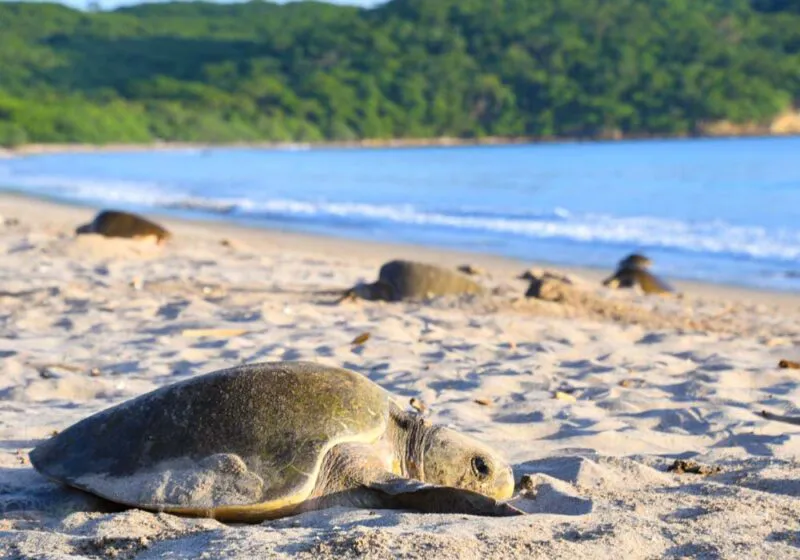
Green sea turtles stand out. They visit the islands often. Females haul ashore to lay eggs. Hatchlings race to the sea. However, poaching threatens them. Conservation groups monitor nests.
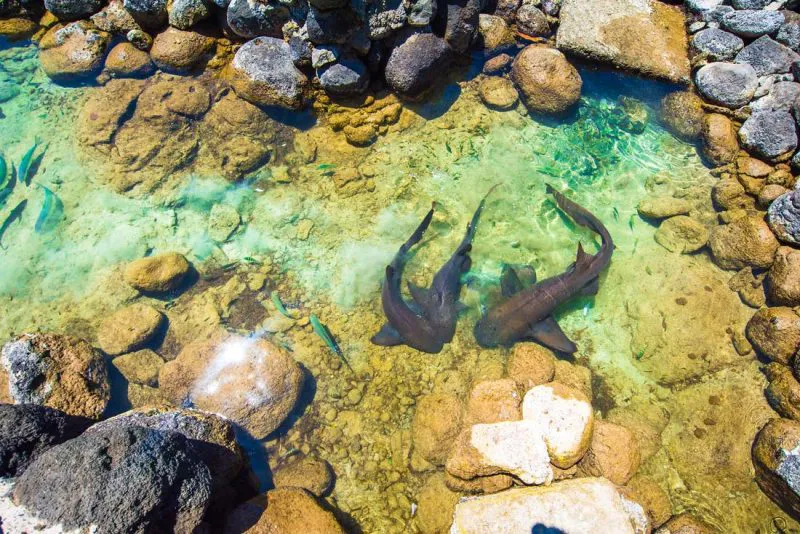
Nurse sharks and hammerheads swim nearby. Spotted eagle rays flap through shallows. Barracudas hunt in packs. These species draw divers. Snorkeling reveals their world. Paraiso Beach Hotel notes this diversity.
Diving spots abound. Reefs protect marine habitats. Climate change harms corals. Bleaching events rise. Yet, recovery efforts continue. Local guides promote sustainable tourism.
Reptiles and Amphibians on the Islands
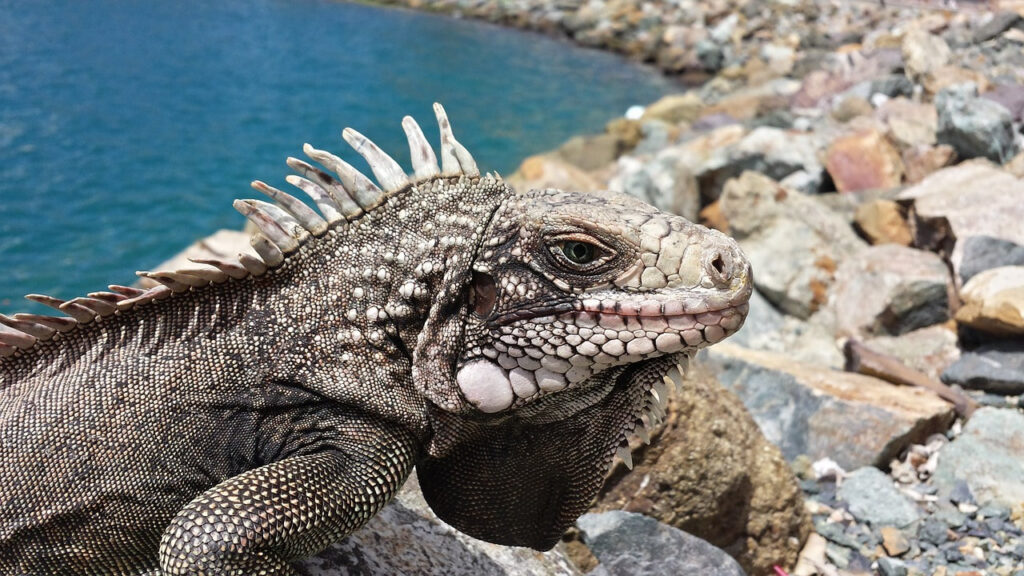
Reptiles dominate Corn Island species. Green iguanas bask on rocks. They grow large. Spiky crests define them. Locals call them “garrobos.” Boas constrict prey in jungles. Land turtles roam swamps.
Lizards thrive here. Great Corn Island hosts 14 species. Some are endemic. Juveniles display bright colors. Adults blend into foliage. Researchers study their adaptations.
Snakes add intrigue. The Central American coral snake lurks. Its subspecies, babaspul, dwells on Big Corn Island. Venomous yet shy. It avoids humans. However, habitat loss endangers it.
Tree frogs croak at night. Toads inhabit marsh edges. These amphibians need moisture. Rains trigger breeding. Development drains wetlands. Thus, populations decline.
Avian Diversity in Corn Island Species
Birds enrich Corn Island species. Over 70 species appear on lists. White ibis wade in shallows. Green herons stalk fish. Rock pigeons coo in towns. Semipalmated plovers scurry on beaches.
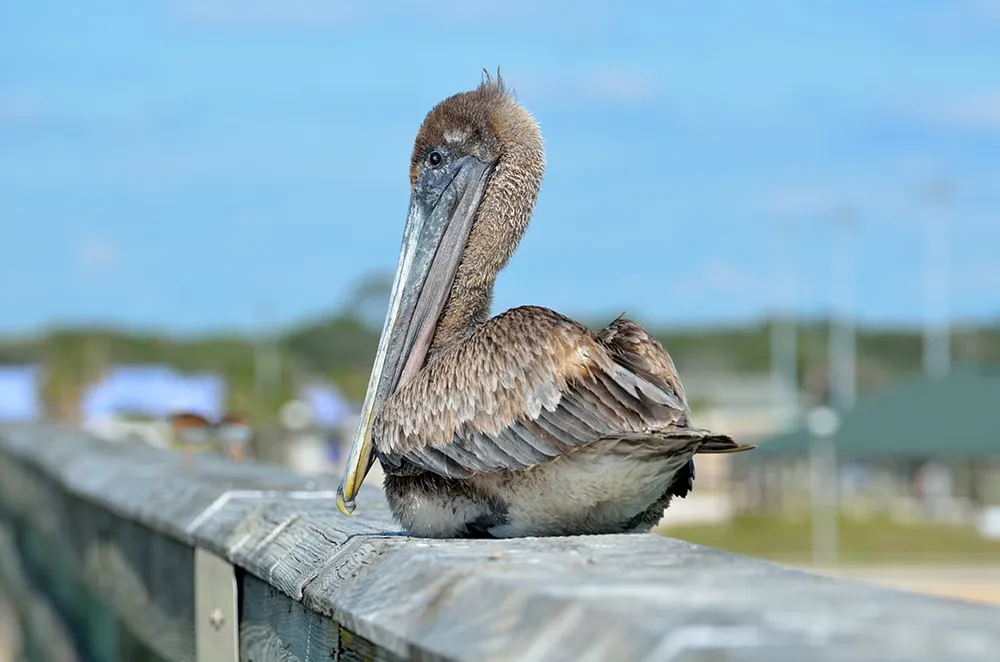
White-winged doves flutter about. Barn swallows swoop low. Pelicans dive for meals. Frigate birds soar high. They steal from others. Herons perch in mangroves. Wild ducks paddle swamps.
Pacific parakeets chatter in trees. This Nicaraguan endemic brightens skies. Migratory birds visit seasonally. eBird records help track them. Forests provide nesting sites. Deforestation disrupts this.
Birdwatching tours flourish. Guides spot rare species. Visitors enjoy dawn choruses. Conservation protects habitats.
Invertebrates and Other Creatures
Invertebrates complete Corn Island species. Blue crabs burrow in sand. They emerge at dusk. Hermit crabs scuttle beaches. Spiders weave webs in jungles. Insects buzz everywhere.
Land crabs migrate annually. They cross roads to spawn. This spectacle draws onlookers. However, vehicles pose risks. Communities aid safe passage.
Butterflies flutter in gardens. Moths appear at night. These pollinators support ecosystems. Pollution affects them. Cleanups help restore balance.
Threats to Corn Island Species
Multiple threats face Corn Island species. Tourism expands rapidly. Hotels replace forests. Roads fragment habitats. Agriculture clears land. Coconut groves spread.
Pollution contaminates waters. Plastics harm marine life. Climate change raises seas. Storms erode beaches. Droughts dry swamps.
Invasive species compete. Rats prey on eggs. Human activities disturb nests. Poaching persists despite laws. Data gaps hinder efforts.
Conservation Initiatives for Protection
Conservation targets Corn Island species. Protected areas expand. Surveys count populations. Monitoring tracks changes. Nicaragua’s laws safeguard wildlife.
Ecotourism funds projects. Guides educate tourists. Donations support patrols. Organizations like Fauna & Flora assist. Community groups lead cleanups.
Marine reserves ban overfishing. Turtle hatching programs succeed. Education raises awareness. International aid boosts research.
Why Corn Island Species Matter to Corn Island Realty
At Corn Island Realty, Corn Island species inspire us. They attract eco-buyers. Properties blend with nature. Wildlife viewing adds value.
Our listings feature sustainable designs. Rainwater systems preserve habitats. Trails lead to bird spots. Investing here aids conservation. It builds community ties.
Explore our Little Corn Island Frog post for more. Externally, check IUCN for species status.
How You Can Support Corn Island Species
Act responsibly on visits. Stick to paths. Avoid disturbing nests. Choose green lodges. They reduce impacts.
Donate to local funds. Volunteer in surveys. Share stories online. Raise awareness.
For property owners, plant natives. Create wildlife ponds. Join island initiatives. Small steps count.
In conclusion, Corn Island species showcase Nicaragua’s beauty. They deserve protection. At Corn Island Realty, we promote harmony. Visit to experience this. Your actions preserve wonders.