


This post is also available in:
Santiago Crater Volcano: Peer into Nicaragua’s Fiery Heart
Imagine the moment you first stand at the edge. Warm sulfur-scented air rises toward your face. A deep red-orange light pulses far below. That unforgettable feeling belongs to Santiago Crater Volcano.
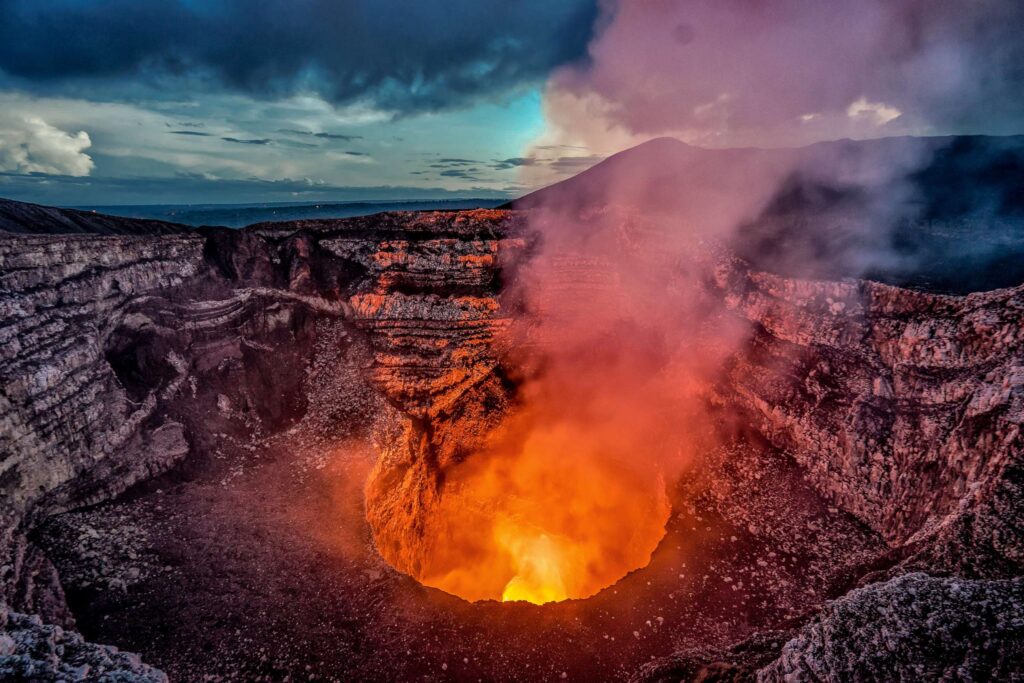
This active site sits inside Masaya Volcano National Park only twenty kilometers southeast of Managua. Travelers drive a paved road almost to the rim. No grueling hike is required. Families and adventure seekers alike gather here every day.
Santiago Crater Volcano has drawn people for centuries. Spanish explorers once named it the Mouth of Hell. Today it ranks among the most accessible active volcanoes anywhere on Earth. You can peer safely into its depths and feel pure wonder.
The experience mixes raw geological power with surprising ease. After the adrenaline fades many visitors crave soft Caribbean beaches and slower days. That is exactly where the Corn Islands excel.
This complete guide covers history, practical tips, safety rules, nearby stops, and the natural bridge to island living. You will finish ready to plan both the fiery adventure and the peaceful escape that follows. Start your journey with the home page of Corn Island Realty for overall inspiration.
Why Santiago Crater Volcano Captures Every Traveler’s Imagination
Santiago Crater Volcano stands apart for one simple reason. It is one of the rare places on the planet where ordinary visitors can look straight into an active volcanic vent. The crater itself formed during eruptions between 1858 and 1859. Steep rock walls plunge more than one hundred fifty meters.
White gas plumes rise most days. At night the glow turns truly magical. Constant scientific monitoring by INETER keeps the experience as safe as possible. Recent studies even revealed two active magma chambers beneath the complex.
Wildlife adds an unexpected layer of charm. Bright green parakeets known locally as chocoyos nest directly in the crater walls. They somehow thrive amid the toxic fumes. Watching them dart in and out of tiny burrows feels almost surreal.
The surrounding national park covers fifty-four square kilometers of caldera floor, lava fields, and dry forest. Short trails lead to extra viewpoints. A compact museum explains the geology in clear language. You leave with deeper respect for the planet and fresh excitement for the rest of Nicaragua.
Many travelers begin their research on our Nicaragua overview page before diving into specific attractions.

A Lively History of Santiago Crater Volcano
Indigenous communities knew this place long before any European ships arrived. They called the larger volcano Popogatepe and told stories of a powerful spirit living inside the fire.
Spanish conquistadors reached the area in the 1520s. They saw the glowing lake and immediately labeled it the Mouth of Hell. One determined friar even planted a cross on the rim in an attempt to exorcise the devil. Local stories still mention that cross today.
The modern Santiago Crater Volcano opened during a series of collapses and eruptions in the mid-nineteenth century. It has remained active ever since. Cycles of heavy degassing and lava-lake formation mark its more recent decades. A persistent lava lake returned in late 2015 and drew worldwide attention.
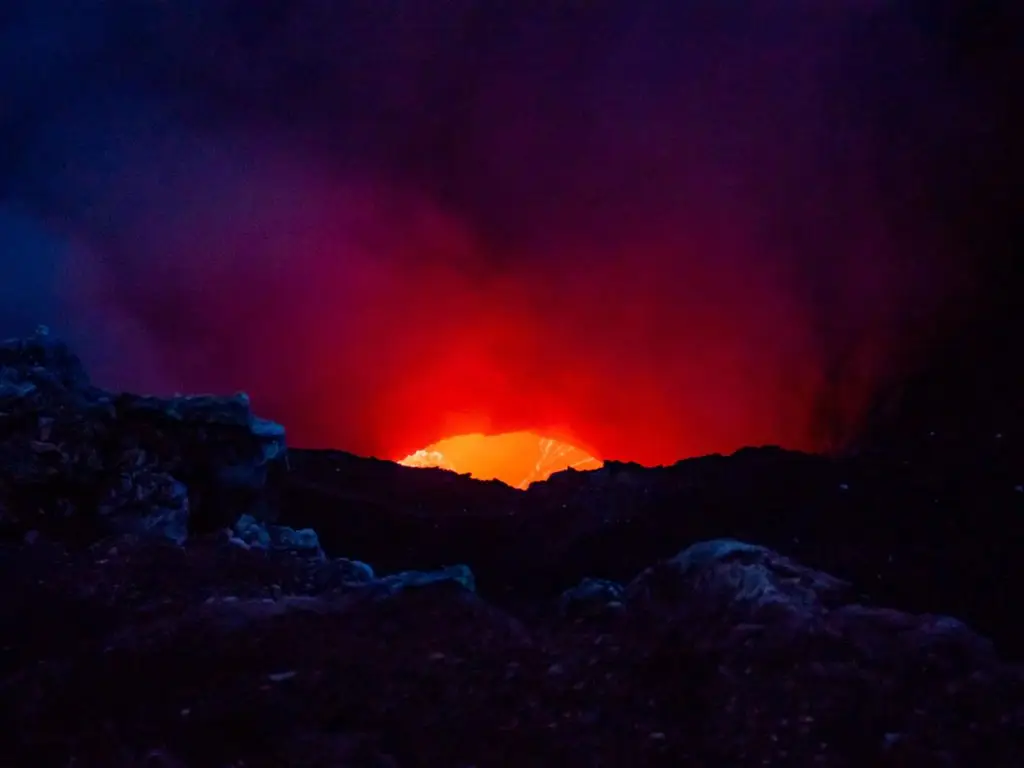
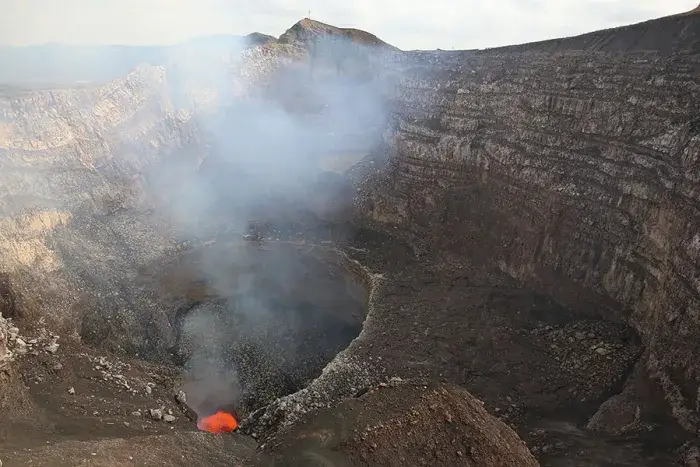
In early 2024 landslides from the inner walls covered much of the open lava surface. The park closed for safety. By mid-2025 the main mirador reopened under new restrictions. Visitors now enjoy limited viewing time. The deep red glow still appears clearly at night through the debris and gas. Always confirm the latest status before you travel.
You can read more about the broader region on our dedicated Masaya Nicaragua page.
How to Reach Santiago Crater Volcano Without Stress
Most visitors start from Managua, Granada, or the town of Masaya itself. The drive from the capital takes under one hour on good paved roads. The final stretch leads directly to a parking area near the crater rim.
Organized tours pick guests up at hotels and handle every detail. Private taxis and rental cars also work well. Public buses reach Masaya easily. From the bus terminal a short taxi ride completes the journey.
Entrance fees stay modest. Foreign visitors pay a higher rate than Nicaraguan citizens. Carry cash in córdobas or United States dollars. The park maintains daytime hours and special evening slots for the best glow.
Night visits require a little extra planning. Many operators run popular sunset-to-dark tours. You arrive as the sky turns soft orange. Then the crater itself becomes the main light source.
Before any trip check current conditions. Activity levels can shift. Rangers enforce short stays at the main platform, sometimes as brief as five minutes during busy periods.
For travelers coming from the Caribbean side, our Little Corn Island ferry guide explains the full connection route.
Daytime Exploration Around Santiago Crater Volcano
Daytime visits open the wider park for relaxed discovery. Walk short paths across black lava fields that look like another planet. The open landscape feels both harsh and beautiful.
Stop first at the visitor center and small museum. Clear displays show past eruptions, local wildlife, and the caldera’s formation. Children especially enjoy the simple exhibits.
Search for the famous parakeets along the crater walls. Binoculars help if you carry them. The birds fly in and out of cliff nests without any apparent fear of the fumes.
Gentle trails such as Coyote and Comalito offer easy hiking and wide views. You can see across the entire caldera and toward distant volcanic peaks. Wear sturdy closed shoes and carry plenty of water. The sun feels intense on the open rock.
After the crater many people continue to Masaya’s lively market. Colorful stalls sell hammocks, pottery, wood carvings, and leather goods. The energetic streets create a perfect contrast to the quiet volcanic landscape.
Learn more about related services that make travel smoother on our services page.
Night Tours Turn Santiago Crater Volcano into Pure Theater
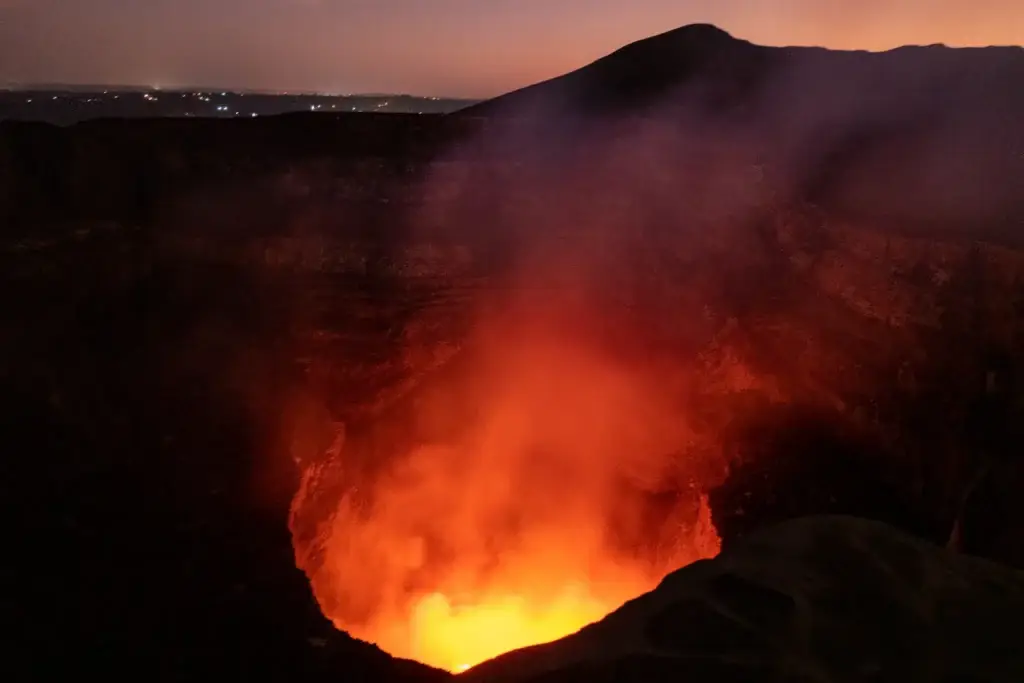
Night is when Santiago Crater Volcano truly comes alive. Darkness hides most of the gas clouds. The molten glow becomes the unmistakable star of the show.
You stand at the fenced viewpoint and watch orange-red light pulse and shift. Occasional sparks or bubbles rise from the depths. The low sound of the earth feels almost alive under your feet.
Most guided night tours last a few hours in total. Guests leave town in the late afternoon, arrive near sunset, spend limited time at the rim, and return under starry skies. Photographers bring tripods when rules allow. Even phone cameras capture the spectacle surprisingly well.
Safety rules remain strict after dark. Follow every instruction from rangers and guides. Stay behind the barriers at all times. Limit your exposure because of the gases. Anyone with breathing sensitivity should take extra precautions.
Many guests combine the night tour with dinner in nearby towns. The full experience feels both adventurous and surprisingly comfortable.
Discover more about peaceful island evenings after mainland thrills on our explore Big Corn Island page.
Essential Safety Tips for Santiago Crater Volcano
Safety always comes first at any active volcano. Rangers and INETER track activity every day. Follow their guidance without hesitation.
Wear closed shoes with solid grip. The ground near the rim can feel uneven and loose. A light scarf or simple mask helps if the sulfur bothers your throat or eyes.
Stay only on marked paths and viewing platforms. Never throw objects of any kind into the crater. Keep children close and within sight at all times.
Check wind direction and weather before you go. Strong winds can push gas toward the platforms. Tours sometimes adjust timing for better conditions.
Drink water regularly and pace yourself. The elevation is modest yet the excitement and fumes can raise heart rates. Always verify the latest official status on the day of your visit.
For broader travel support and local knowledge visit our about page.
Nearby Attractions That Complete the Day
Santiago Crater Volcano sits in a richly varied region. Pair it with Laguna de Apoyo for a full day of contrast. The clear blue crater lake invites swimming, kayaking, and lakeside lunch after the heat of the volcano.
Granada lies only a short drive away. Its colonial streets, brightly painted houses, and lake views create a romantic atmosphere. Boat tours among the famous Isletas add another layer of beauty.
The Masaya market delivers culture, color, and shopping. You can buy authentic handmade souvenirs right after your crater adventure.
Further afield, León offers grand churches and the popular volcano-boarding experience on Cerro Negro. Ometepe Island shows twin volcanoes rising dramatically from Lake Nicaragua. Each stop adds new texture to your overall Nicaragua story.
After the mainland chapter many travelers head east to the Caribbean. The Corn Islands wait with soft white sand and turquoise water.
Explore colonial and adventure options further on our León Nicaragua page.
Wildlife Moments You Will Remember
Beyond the famous parakeets the park hosts coyotes, lizards, deer, and a variety of birds. Dry forest and ancient lava fields create unique habitats.
In the cooler early morning or late afternoon you may spot raccoons moving near the edges. Hardy orchids and tough plants cling to the rocky soil against all odds.
The constant gas creates a harsh environment. Yet life finds creative ways to continue. That quiet resilience makes every visit feel meaningful.
Bring quiet respect for the place. Carry out every piece of trash. Stay silent near nesting areas so the birds remain undisturbed.
Many guests later seek similar natural beauty on the islands. Our discover Little Corn Island page shows how the Caribbean side continues the nature theme.
Best Season and Smart Packing List
The dry season from November through April usually brings clearer skies and better visibility of the glow. Rainy months still allow visits yet trails can turn muddy and views sometimes soften.
Pack light layers because evenings cool down quickly. A small flashlight or headlamp proves useful after dark. Sturdy walking shoes, a water bottle, and basic sun protection matter most.
A compact daypack keeps your hands free for photos and balance. Binoculars improve wildlife viewing. Extra camera batteries stay charged with a portable power bank.
Comfortable practical clothes work far better than formal outfits. You will walk on uneven ground and stand in light wind for periods of time.
Once the volcano chapter ends many people look for longer stays. Our vacation rentals collection offers comfortable places to rest and plan the next steps.
From Fiery Crater to Caribbean Calm: Connecting the Experiences
Santiago Crater Volcano delivers pure adrenaline and awe. Many visitors then naturally seek balance. They want soft beaches, fresh seafood, gentle breezes, and slower rhythms.
That search leads straight to the Corn Islands. Big Corn and Little Corn sit roughly seventy kilometers off Nicaragua’s Caribbean coast. White sand, living coral reefs, and friendly Creole villages define the daily lifestyle.
Growing tourism from mainland volcanoes and colonial towns increases interest in island properties. Travelers fall in love with the sharp contrast. Some decide to return every year. Others choose to stay longer or invest.
Corn Island Realty focuses exclusively on this peaceful Caribbean corner. We help clients find beachfront homes, hillside ocean-view houses, vacant lots, and income-producing vacation rentals. Our team lives and works on the islands so the advice stays practical and local.
After standing at Santiago Crater Volcano you understand Nicaragua’s raw energy. Then you feel the strong pull of calm island living. Properties here offer both personal lifestyle and solid long-term potential.
Browse current opportunities on our properties list and for-sale status page.
Practical Steps Toward Island Ownership
Foreign buyers enjoy clear title rights in Nicaragua when they work with experienced local professionals. The process usually includes due diligence, a trusted attorney, and proper registration.
Many clients first test the lifestyle with a vacation rental. They spend a week or two on Big Corn or Little Corn. Then they return ready to look at real options.
Income-producing properties attract investors who want both personal use and rental returns. Tourism continues to grow steadily yet the islands have avoided heavy overdevelopment.
Our full-service approach covers search, negotiation, closing support, and ongoing property management. We also offer provisioning services so ownership stays simple even from afar.
Learn the basics of the market on our Nicaragua real estate Corn Island guide and income-producing properties overview.
Sample Itineraries That Combine Fire and Calm
A classic short trip starts with two nights in Granada. On the middle day you visit Santiago Crater Volcano and Laguna de Apoyo. Then you fly to Big Corn Island for three or four relaxed days of beach time and snorkeling.
A longer version adds León for volcano boarding and history. It finishes with a panga ride to Little Corn Island for even quieter shores.
However you design the route the emotional arc feels powerful. You begin with the intense energy of Santiago Crater Volcano. You end with gentle Caribbean mornings and fresh lobster dinners.
For luxury island inspiration see the Yemaya Reefs Little Corn Island post.
Frequently Asked Questions about Santiago Crater Volcano
Yes when you follow current park rules. Rangers limit time at the rim. INETER monitors the volcano closely. Always confirm the latest conditions on the day of your visit.
The open lava surface was largely covered by landslides in 2024. Night visits still reveal a strong red glow through debris and gas. Visibility depends on wind and activity levels.
Rules often limit time to approximately five minutes during busy periods. Daytime and night slots can differ slightly. Guides and rangers manage visitor flow carefully.
Independent visits work during regular daytime hours. Night tours and deeper exploration benefit greatly from local guides who add safety and stories.
Closed shoes, light long sleeves, a scarf for possible gas, water, and a small light for evening visits. Comfortable practical clothing works best.
Yes with close adult supervision. The fenced platforms keep the experience secure. Very young children may find the fumes stronger.
Fly from Managua to Big Corn Island. The short flight feels exciting after mainland roads. Our Corn Islands Nicaragua page and for-rent listings help with the second half of the journey.
Yes. Fees differ for Nicaraguan citizens and foreign visitors. Carry cash.
Visit our Nicaragua real estate FAQs and contact us page. The team answers questions about ownership, management, and current listings.
Yes. Many people continue to Masaya or Granada. On the islands you can later try local spots such as the Sea Side Grill.
Your Invitation to Feel the Fire and Find the Calm
Santiago Crater Volcano offers a rare chance to stand close to the living heart of the Earth. The easy access, dramatic night glow, resilient parakeets, and surrounding landscapes create memories that last for years.
Clear safety rules and continuous monitoring keep the experience positive for thousands of visitors. Pair the crater with cultural markets, crater lakes, and colonial towns for a rich mainland chapter.
When the adventure ends the Caribbean side of Nicaragua calls. Soft sand, clear water, fresh seafood, and easy living await on Big Corn and Little Corn.
Corn Island Realty stands ready to help you explore that next chapter. Whether you want a vacation rental, a second home, a retirement base, or an income-producing property, our local team guides every step.
Start with the fire of Santiago Crater Volcano. Finish with the calm of true island life. Your complete Nicaragua story is ready whenever you are. Reach out through our contact page or browse the full range of opportunities today.


