



This post is also available in:
Momotombo Volcano: Hike Nicaragua’s Perfect Cone of Fire and Lake Views
Picture this. A near-perfect black-and-red cone rises straight from the shore of a vast lake. Steam drifts from the crater like a quiet breath. That is Momotombo Volcano.
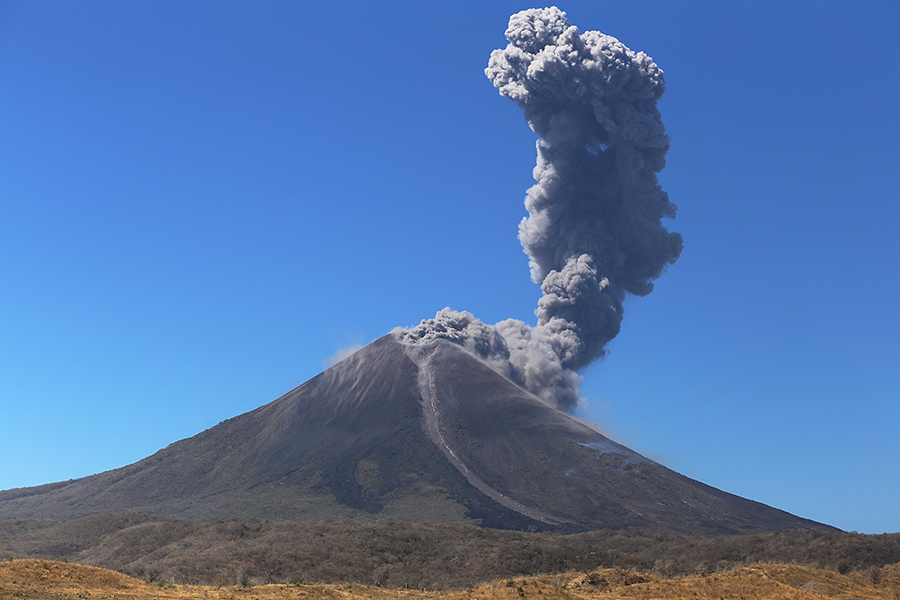
Travelers who reach western Nicaragua fall in love with this landmark at first sight. Its symmetrical shape appears on everything from old matchboxes to revolutionary murals. The mountain feels alive. And it is.
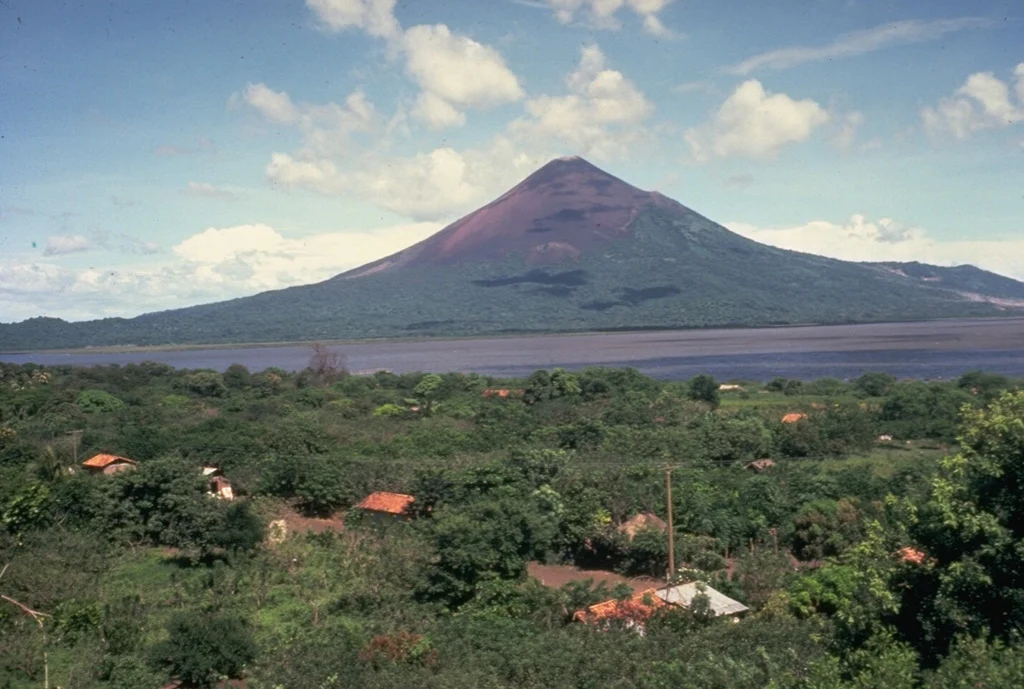
Momotombo Volcano sits on the northwest shore of Lake Managua in León Department. It climbs to 1,297 meters. Young lava flows still show on its flanks. A smaller twin called Momotombito floats as an island just offshore. Locals sometimes call the little cone “the Child.”
This post takes you deep into the story, the hike, the history, and the pure adventure of Momotombo Volcano. We keep things light, travel-focused, and full of practical tips. A little real estate flavor appears near the end because many visitors leave Nicaragua dreaming of a longer stay.
Ready to climb? Let’s go.
Why Momotombo Volcano Captures Every Traveler’s Imagination
The first time you see Momotombo Volcano, the symmetry stops you cold. Unlike ragged peaks elsewhere, this stratovolcano looks almost sculpted.
It forms part of the Maribios volcanic chain. The Central American Volcanic Arc created it through subduction of the Cocos Plate. The cone itself is young—only about 4,500 years old. An older somma ridge sits underneath the current summit.
Steam and fumaroles often rise from the crater. Temperatures there can exceed 800°C. The volcano last erupted between December 2015 and April 2016. Ash plumes and a lava flow marked that event after more than a century of quiet. Earlier major activity in 1610 forced the Spanish colonial capital to move.
Rubén Darío, Nicaragua’s greatest poet, wrote a famous poem in its honor. The mountain became a national symbol long ago. Today it still draws hikers, photographers, and anyone who loves dramatic landscapes.
Many visitors combine a trip here with time in nearby León. The colonial city sits only about 35 kilometers west. From the summit on clear days you can spot the Pacific, other volcanoes, and the wide blue of Lake Managua.
If you love big nature moments, Momotombo Volcano delivers. For a full overview of the country that frames this adventure, start with our Nicaragua page.
The Dramatic History Behind Momotombo Volcano
History hangs thick around Momotombo Volcano.
In 1610 a strong eruption and earthquakes destroyed León Viejo, the original Spanish capital founded in 1524. Residents moved roughly 48 kilometers west to the present site of León. The ruins of León Viejo remain a UNESCO World Heritage Site today. You can still walk the old streets and feel the weight of that disaster.
Later eruptions came in 1886 and 1905. The 1905 event sent a long lava flow down the northeast flank. That black river of rock remains visible.
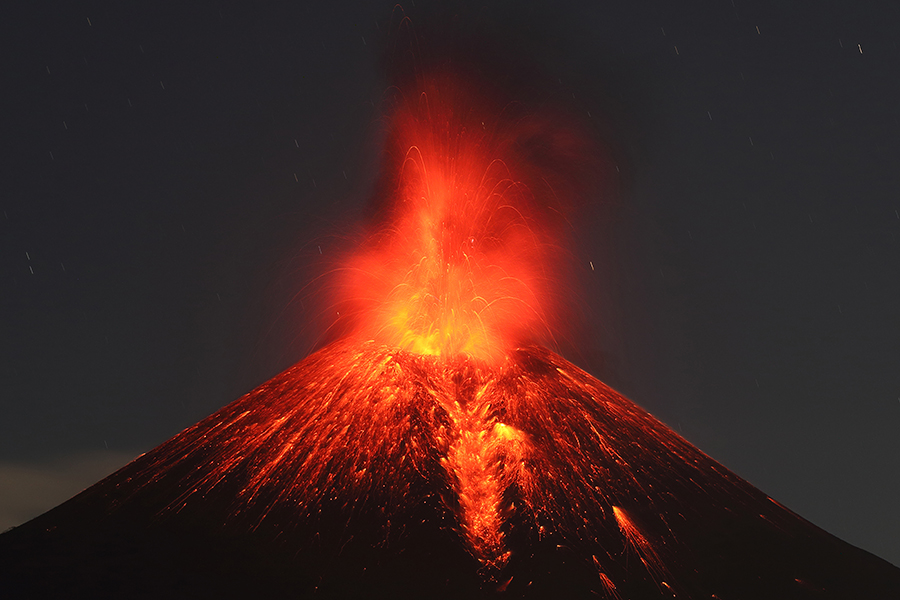
After more than 100 years of relative calm, Momotombo Volcano woke again in late 2015. Explosions produced ash that drifted over nearby towns. A new lava flow followed the older channel. Activity continued into early 2016.
A major geothermal field sits on the southern flank. Power plants have harnessed the heat since the 1980s. Clean energy and adventure tourism exist side by side here.
For deeper background, the Smithsonian Institution’s Global Volcanism Program keeps excellent records of its eruptive history. Wikipedia also offers a solid overview of the geology and past events.
Travel tip: Visit León Viejo on the same day as your Momotombo Volcano hike if energy allows. The combination of living volcano and silent ruins creates a powerful contrast. Learn more about the broader region on our About page.
Hiking Momotombo Volcano: What the Trail Feels Like
Most people come for the climb.
The standard route starts near the geothermal plant. You need permission and a local guide. Access crosses private land, so independent attempts are not allowed.
Lower slopes pass through dry tropical forest. Trees give way to open slopes of loose rock and ash higher up. The final push to the crater rim feels steep. Expect loose scree that slides underfoot.
A strong hiker completes the round trip in eight to ten hours. Some groups camp near the treeline and summit at sunrise. The views at first light are unforgettable. Lake Managua stretches below. Distant volcanoes line the horizon. On very clear days the Pacific Ocean glints far to the west.
Wear sturdy boots with good ankle support. Bring at least three liters of water per person. Long pants protect against sharp rocks and sun. A hat, sunscreen, and layers for the windy summit complete the kit. Start early to beat the heat.
Guides know the changing routes. Landslides and new lava can alter paths, so local knowledge matters. Many tours also stop at viewpoints that require far less effort. Families and casual travelers can still enjoy dramatic photos without the full ascent.
Boat trips to Isla Momotombito add another layer. The small cone once held ceremonial importance. Petroglyphs and statues remain. Local boatmen operate from Puerto Momotombo near the León Viejo ruins.
After a full day on Momotombo Volcano, many travelers head back to León for cold drinks and colonial architecture. Others continue toward the Pacific beaches or plan the next volcano adventure. For more activity ideas across the country, check our Services page.
Nearby Adventures That Pair Perfectly with Momotombo Volcano
Western Nicaragua offers more than one volcano.
Cerro Negro sits close to León and is famous for volcano boarding. You hike up and then slide down the black ash on a wooden board. The thrill contrasts nicely with the longer, more contemplative climb of Momotombo Volcano.
Masaya Volcano National Park lies farther south. At night you can sometimes peer into a glowing crater. The drive between these sites shows the full power of the volcanic landscape.
León itself rewards slow exploration. Colorful churches, the largest cathedral in Central America, and lively street life fill the city. From the cathedral roof you can see the volcanic chain that includes Momotombo Volcano.
Lake Managua offers quiet boat rides and birdwatching. The surrounding dry forests hide howler monkeys and colorful birds.
Many visitors build a short circuit: León base, Momotombo Volcano hike, Cerro Negro boarding, then a day at the Pacific beaches of Las Peñitas or Poneloya. The mix of fire, lake, colonial streets, and ocean keeps energy high.
For official tourism inspiration, Lonely Planet covers the Reserva Natural Volcán Momotombo in useful detail.
Practical Tips for a Smooth Visit to Momotombo Volcano
Timing matters.
The dry season (roughly November to April) brings clearer skies and more stable trails. Rainy months can make the upper slopes slippery and cloudy. Always check current volcanic alerts from INETER, Nicaragua’s monitoring agency, before you go.
Hire guides through reputable operators in León. Group tours keep costs reasonable. Private guides offer more flexibility.
Pack light but smart. Bring snacks, a headlamp if you plan an overnight, and a small first-aid kit. Respect the geothermal plant rules and stay on marked routes.
Accommodation options range from backpacker hostels in León to nicer boutique hotels. After the hike, a cold Toña beer and a plate of gallo pinto feel earned.
Transportation is straightforward. Buses and taxis connect Managua, León, and the trailhead area. Many visitors rent a car or join organized day trips.
Safety first. Momotombo Volcano is active. Guides monitor conditions. Never approach the crater rim without professional support.
If you need help arranging logistics or later stays, our Contact Us page is the easiest starting point.
From Volcanic Fire to Caribbean Calm: Why Many Travelers Stay Longer
After days of hiking volcanoes and exploring colonial cities, many people crave softer scenery.
That is when the Corn Islands enter the conversation. Big Corn Island and Little Corn Island sit off Nicaragua’s Caribbean coast. White sand, turquoise water, coral reefs, and a slower Creole culture create the perfect contrast to the fiery Pacific side.
You can fly from Managua to Big Corn in about an hour. A short boat ride reaches Little Corn. No cars dominate the smaller island—just bikes, footpaths, and ocean breezes.
Travelers who fall for Nicaragua often start looking at property. Beachfront homes, hillside views, and income-producing vacation rentals appear on the market. The islands still feel under-discovered compared with many Caribbean destinations.
Corn Island Realty focuses exclusively on Big Corn and Little Corn. The team helps with sales, rentals, and property management. Whether you want a simple beach house or a larger investment property, local knowledge makes the process smoother.
Many clients first visit for adventure, then return to buy a place that lets them keep returning. Volcano hikes one week, snorkeling the next—the combination feels ideal.
Browse current properties or explore our full Corn Islands guide when the travel bug turns into a longer dream.
Real Estate Opportunities After Your Momotombo Volcano Adventure
Once the volcanic energy settles, many visitors start thinking about a permanent or semi-permanent base.
On Little Corn you might fall for a charming hillside house with ocean breezes or the popular Point of View home. Beachfront options such as the Little Corn Beach House offer direct sand access.
On Big Corn, consider a hillside ocean-view house, a spacious villa, or an oceanfront home with business potential. Larger opportunities include the Paraiso Beach Hotel.
If rental income matters, review our income-producing properties page and the full list of vacation rentals.
Foreign buyers enjoy clear ownership rights in Nicaragua. Our Nicaragua real estate overview and FAQs explain the practical steps. We also offer provisioning services so your property stays ready for guests or personal use.
After a day on Momotombo Volcano, many people stop by Sea Side Grill on the islands for fresh seafood and a cold drink while they dream about the next chapter.
Planning Your Full Nicaragua Circuit
A strong itinerary might look like this:
- Days 1–2: Arrive Managua, transfer to León
- Day 3: Hike Momotombo Volcano or take a shorter viewpoint tour
- Day 4: Volcano boarding on Cerro Negro and explore León
- Day 5: Optional Masaya or Pacific beach day
- Days 6–10: Fly to the Corn Islands for beach time, diving, and pure relaxation
This mix balances intensity with recovery. You experience the full range of Nicaragua’s landscapes.
Everything from getting around to finding the right base is covered across our site. Start planning on the home page or reach out directly through Contact Us.
FAQ About Momotombo Volcano
Momotombo Volcano rewards every visitor who makes the effort. Its perfect cone, dramatic history, and sweeping lake views create memories that last. Pair the adventure with time on Nicaragua’s Caribbean islands and you experience the best of both worlds—fire and water, intensity and calm.
When you are ready to explore further or start looking at island properties, the team at Corn Island Realty is here to help. Reach out, plan your next trip, and keep the adventure going.
The mountain is waiting.
Check the latest INETER reports. The volcano has been quiet since 2016, but conditions change. Always go with an experienced local guide.
Moderate to strenuous. The distance is not extreme, yet loose rock and steep sections demand fitness and good footwear. Allow a full day.
Yes. Access crosses private geothermal land. Guides handle permits and know current safe routes.
Visible glowing lava is rare outside of active eruptions. Fumaroles and steam are common. Night views of the crater can show subtle glow during higher activity periods.
León Viejo ruins, Cerro Negro volcano boarding, and a few days on the Corn Islands create a memorable circuit. Explore Little Corn and Big Corn for the perfect follow-up.
Yes. Boat trips on Lake Managua and roadside viewpoints deliver excellent photos without the full climb.


