



This post is also available in:
Travel to Nicaragua: The Ultimate Fun Guide to Every Region of This Land of Lakes and Volcanoes
Travel to Nicaragua and you step into one of Central America’s most rewarding destinations. This country delivers dramatic volcanoes, vast freshwater lakes, colonial plazas painted in bright colors, world-class surf breaks, cool mountain highlands and quiet Caribbean shores. Many visitors arrive for a short trip and quickly begin dreaming of longer stays. The combination of authentic culture, friendly people, affordable experiences and stunning natural beauty makes travel to Nicaragua feel both adventurous and welcoming.
This guide covers every major region so you can plan a complete itinerary. You will find practical tips, activity ideas and lifestyle notes. A little real estate perspective appears naturally because many travelers eventually explore ownership options. Our team at Corn Island Realty helps clients who fall in love with the country, yet the focus here remains pure travel discovery across the entire nation.
Pack light clothing, sturdy shoes and an open mind. The journey rewards curiosity at every turn.
Getting Started: Practical Tips for Travel to Nicaragua
Most international flights land at Augusto C. Sandino International Airport in Managua. Domestic flights and comfortable buses connect the main destinations. The country uses the córdoba, yet U.S. dollars are widely accepted. Spanish is the official language. English appears more often in tourist areas. Basic Spanish phrases go a long way.
The dry season runs from November to April and offers reliable sunshine. The rainy season brings greener landscapes and fewer crowds. Both periods work well for travel to Nicaragua depending on your preferences. Always check current entry requirements and carry a passport valid for at least six months.
Budget travelers find excellent value. Mid-range travelers enjoy comfortable hotels and private transfers. Luxury options exist in beach and colonial areas. Food is fresh, flavorful and inexpensive. Fresh juice, gallo pinto, grilled fish and tropical fruit appear on nearly every menu.
For deeper planning resources, many travelers consult established guides. You can also reach our team through the Contact Us page if you want local insights after your trip.
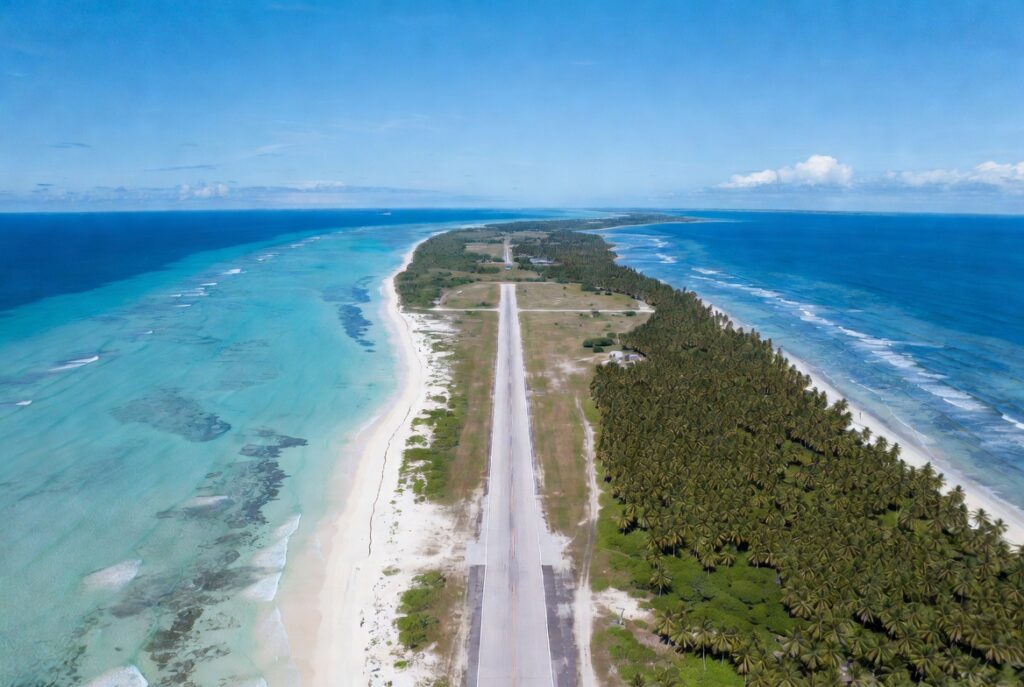
Managua: The Modern Gateway
Managua serves as the practical starting point for most visitors who travel to Nicaragua. The capital sits on the southern shore of Lake Managua with views of distant volcanoes. The city feels energetic and functional rather than purely touristy.
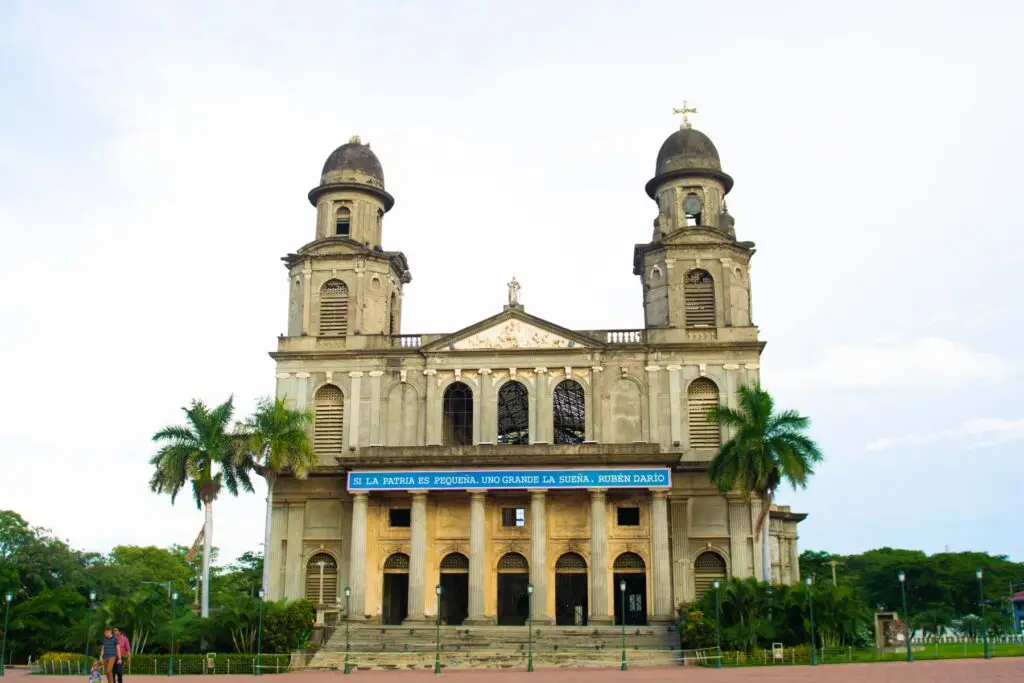
Highlights include the Plaza de la Revolución, the old cathedral ruins, the new cathedral with its unique dome design, and the nearby Tiscapa Lagoon for panoramic views. Markets overflow with crafts, produce and everyday life. Nearby day trips reach Masaya Volcano National Park, where you can peer into an active crater, and the artisan town of Masaya itself.
Many travelers spend only one or two nights here before moving on. Comfortable hotels and good restaurants make the stay pleasant. The international airport offers easy connections. If you later consider longer-term options, the broader Nicaragua page provides useful context.
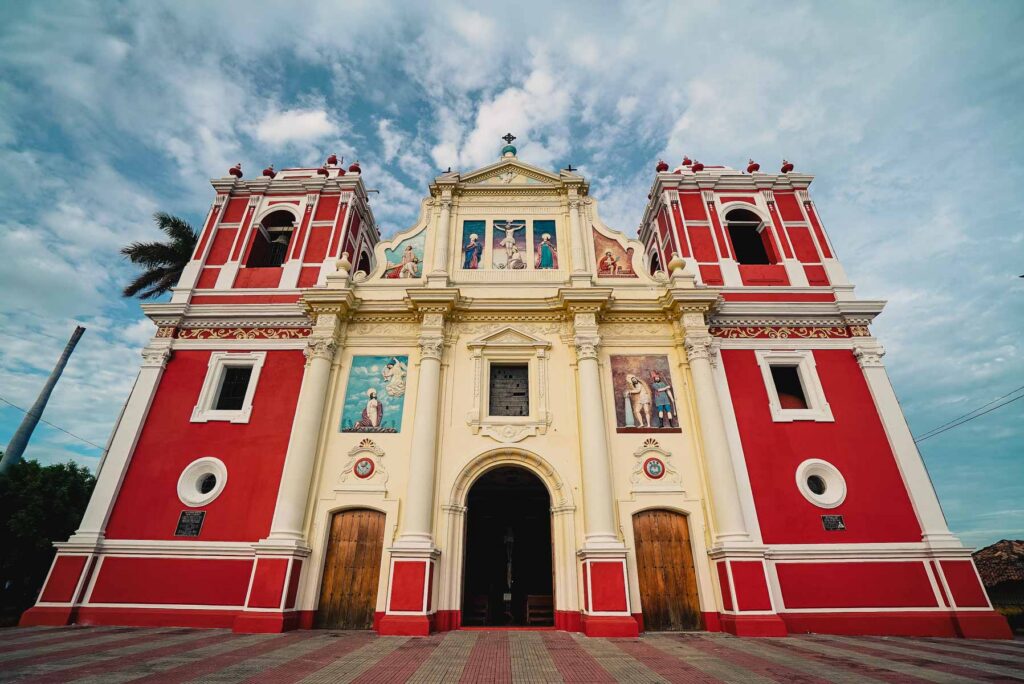
Granada: Colonial Charm on Lake Nicaragua
Granada ranks among the most beautiful colonial cities in the Americas. Brightly painted buildings line the streets. Horse-drawn carriages clip-clop past the central park. The yellow cathedral towers over the plaza. Lake Nicaragua stretches to the horizon with the silhouette of Ometepe Island visible on clear days.
Travel to Nicaragua feels incomplete without time in Granada. Wander the Calle La Calzada for restaurants and nightlife. Take a boat tour through the nearby Isletas, a group of small islands formed by ancient volcanic activity. Climb the bell tower of Iglesia La Merced for rooftop views. Visit the chocolate museum or simply sit in a café and watch daily life unfold.
Many visitors base themselves here for several days. Day trips reach Laguna de Apoyo, a crystal-clear crater lake perfect for swimming, or the pottery workshops of San Juan de Oriente. The relaxed pace and historic atmosphere make Granada a favorite. Property interest often grows after time spent here, and our services page explains how we support clients who decide to explore ownership later.

León: University Energy and Volcano Adventures
León sits northwest of Managua and pulses with student energy. The city claims the largest cathedral in Central America. Its white façade and rooftop offer sweeping views of the surrounding landscape and distant volcanoes. Colorful murals cover many walls and celebrate history and culture.
Travel to Nicaragua gains an adventurous edge in León. The famous volcano boarding experience on Cerro Negro draws thrill-seekers. You hike up the black volcanic slopes and then slide down on a wooden board. Other nearby volcanoes offer hiking and crater views. The beach town of Las Peñitas lies a short ride away and provides a quieter coastal contrast.
León feels lively yet manageable. Museums, markets and excellent street food keep days full. Many travelers combine León with Granada for a classic colonial circuit. The cultural depth and outdoor activities create lasting memories.
San Juan del Sur and the Pacific Coast
The Pacific side delivers classic beach-town energy. San Juan del Sur sits in a horseshoe bay with a giant Christ statue watching over the harbor. Colorful buildings climb the hills. Boats bob in the water. Sunsets turn the sky dramatic colors almost every evening.
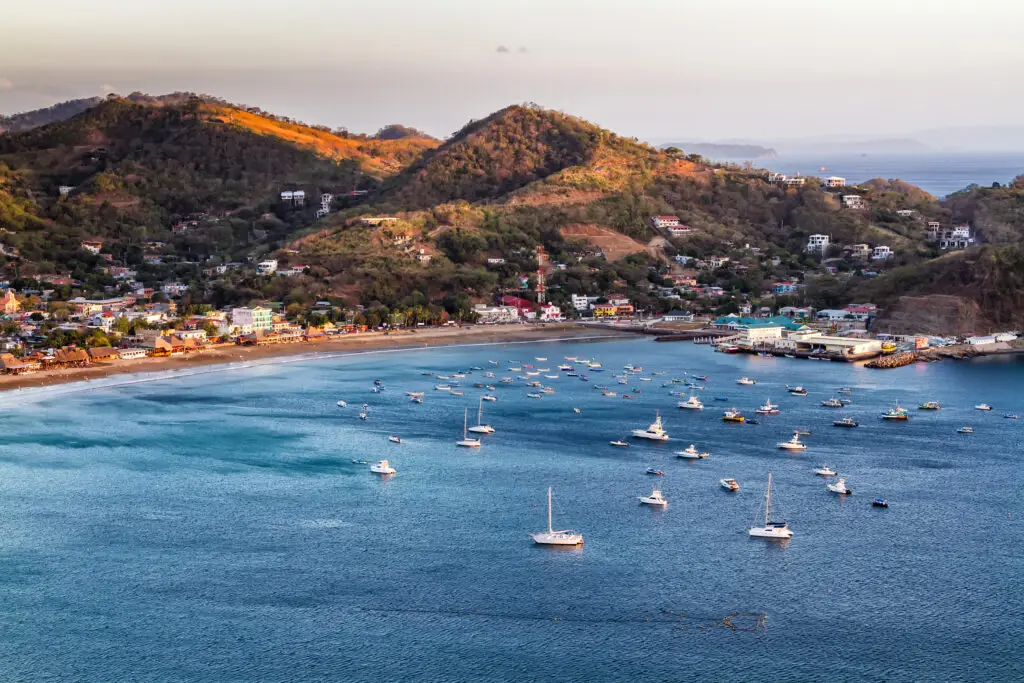
Travel to Nicaragua reaches peak beach mode here. Surf breaks stretch north and south along the Emerald Coast. Playa Maderas, Playa Remanso and further beaches toward Tola and Popoyo attract surfers of all levels. Yoga retreats, beach bars and fresh seafood complete the scene. The area has grown yet still retains a relaxed backpacker-to-boutique mix.
Many visitors rent scooters or join tours to explore multiple beaches. Fishing trips, horseback rides and sunset sails add variety. The combination of ocean, community and outdoor activity makes the Pacific coast one of the most popular regions for extended stays. Some travelers later look at vacation homes or investment properties, and our properties list and for-sale status show examples of what is available in related markets.
Ometepe Island: Twin Volcanoes in Lake Nicaragua
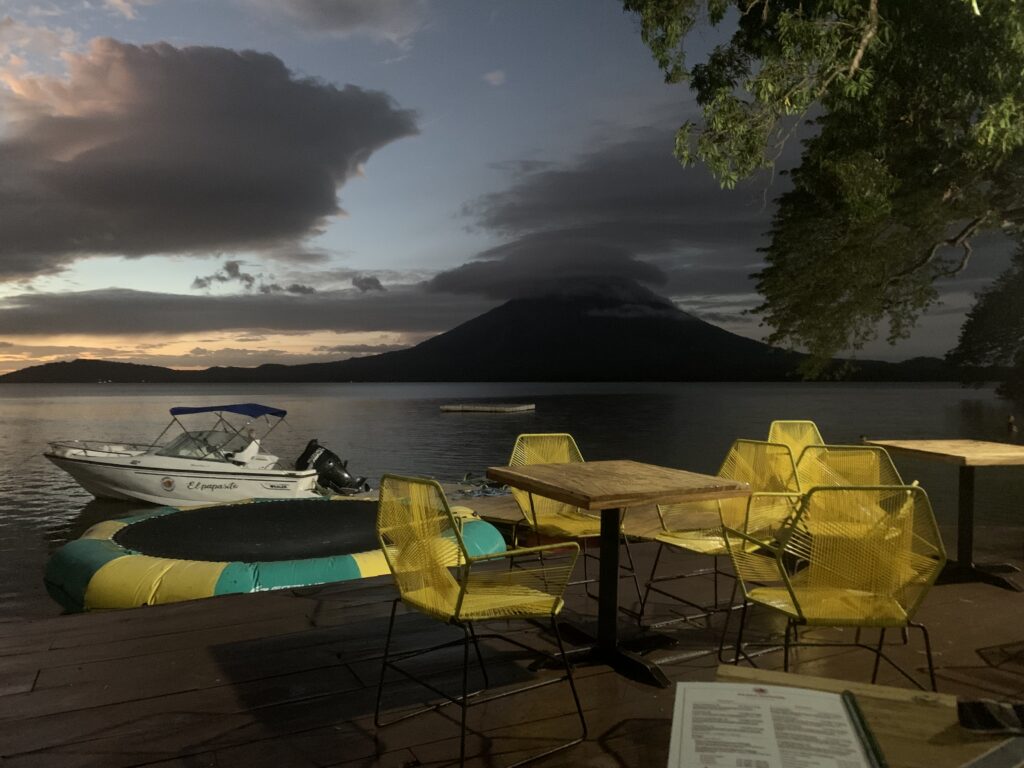
Ometepe rises from Lake Nicaragua as a dual-volcano island. Concepción and Maderas volcanoes dominate the skyline. Fertile land produces bananas, coffee and tropical fruit. The pace slows dramatically once the ferry arrives.
Travel to Nicaragua feels magical on Ometepe. Hike the volcanoes if you have energy and proper guides. Swim in natural springs and waterfalls. Visit petroglyph sites and small villages. Rent a scooter or motorcycle to circle the island at your own speed. Beach time, kayaking and simply watching the light change on the volcanoes fill peaceful days.
Accommodation ranges from simple hostels to comfortable ecolodges. Fresh fish and local produce appear on most menus. Many travelers describe Ometepe as a highlight of their entire Central American journey. The natural beauty and quiet atmosphere leave a strong impression.
Northern Highlands: Coffee Country and Cool Climate
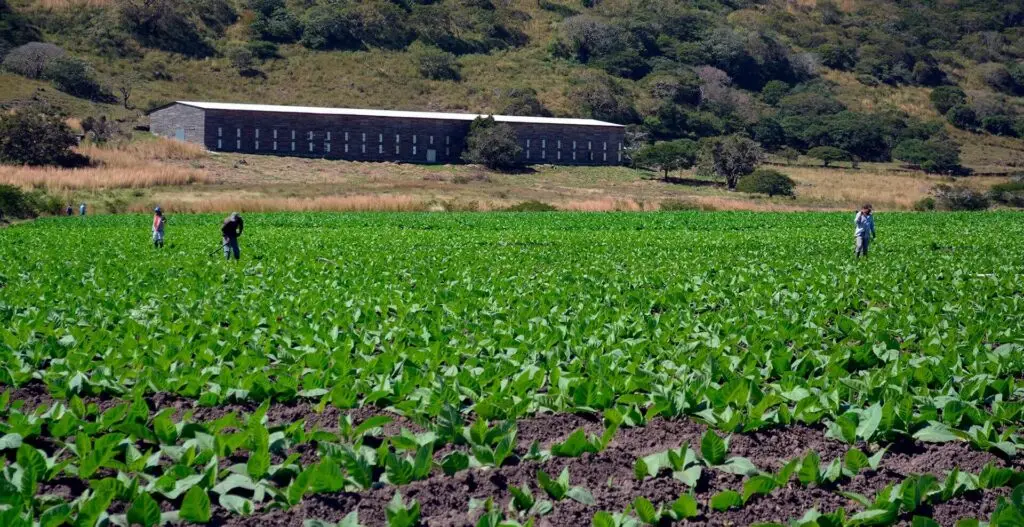
The northern highlands around Matagalpa, Jinotega and Estelí offer a completely different climate and landscape. Rolling green mountains, coffee plantations and pine forests create a refreshing contrast to the hotter lowlands.
Travel to Nicaragua gains depth in the highlands. Coffee tours let you walk the farms, learn the process and taste excellent beans. Hiking trails lead through cloud forest and offer waterfall stops. Estelí is known for its cigar production and mural-filled streets. Matagalpa serves as a pleasant base with good restaurants and cooler evenings.
The region feels authentic and less crowded. Birdwatching, canopy tours and visits to rural communities add variety. Many visitors appreciate the change of scenery and the chance to slow down. The highland lifestyle appeals to those seeking cooler temperatures and mountain views.
Caribbean Coast and Eastern Regions
The Caribbean side of Nicaragua offers a different cultural flavor. Bluefields serves as the main town. English and Creole influences mix with indigenous traditions. The Corn Islands lie offshore and provide classic Caribbean island scenery with clear water, coral reefs and relaxed beach life.

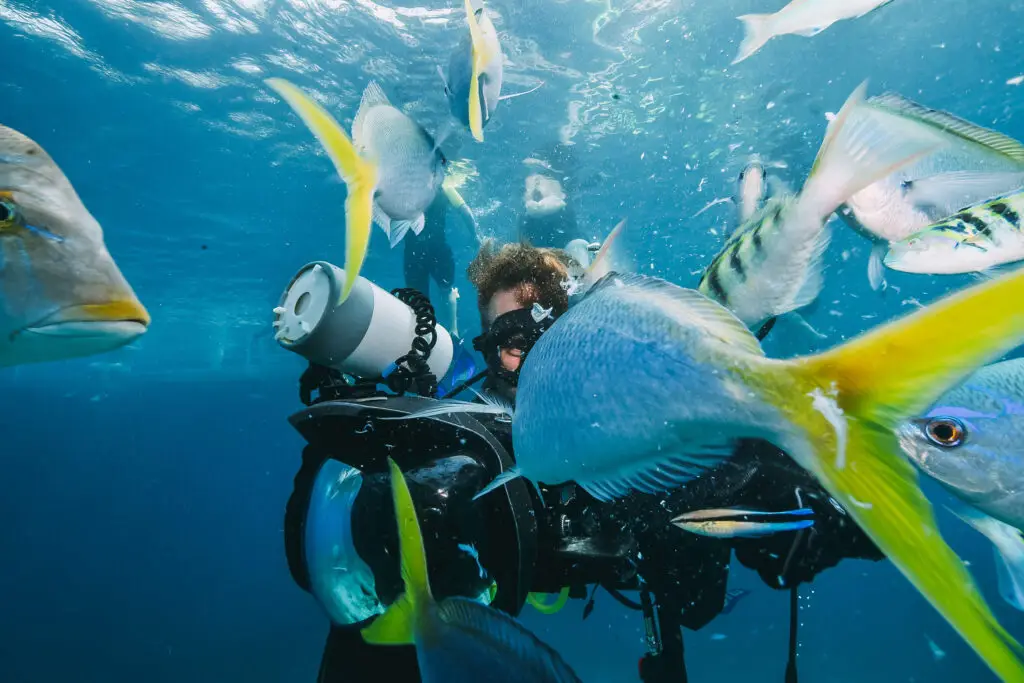
Travel to Nicaragua feels more remote and distinctive on the Caribbean coast. Boat travel becomes common. Fresh seafood, coconut-based dishes and a slower rhythm define the experience. Snorkeling, diving and simply enjoying the beach occupy most days. The cultural blend of indigenous, Afro-Caribbean and mestizo communities creates unique music, food and festivals.
While the islands receive growing attention, the broader Caribbean region remains less developed than the Pacific side. That relative quiet appeals to travelers seeking authentic experiences. Our Corn Islands, Nicaragua page and Corn Island vacation rentals provide additional lifestyle details for those interested in the island portion of the coast. Related property examples appear on pages such as the Little Corn Beach House for Sale, Big Corn Hillside House, Charming House for Sale Little Corn and Home for Sale Little Corn Island Point of View.
Additional Destinations Worth Exploring
Masaya and the surrounding pueblos offer volcano views, artisan markets and crater lakes. The pottery villages produce colorful ceramics. Laguna de Apoyo provides excellent swimming and kayaking. Further south, the area around Rivas connects easily to both the Pacific beaches and the ferry for Ometepe.
In the far north, areas near the Honduran border offer more remote hiking and rural experiences. Along the southern border, quieter stretches of Pacific coastline reward those willing to explore beyond the main beach towns.
Each region adds another layer to travel to Nicaragua. Combining colonial cities, beach time, island exploration and highland visits creates a well-rounded itinerary of two to three weeks or longer.
Sample Itineraries for Travel to Nicaragua
A classic two-week route might begin in Granada for three nights, continue to Ometepe for three nights, move to San Juan del Sur and the Pacific beaches for four nights, then finish with León for three nights before returning to Managua. Add the highlands or Caribbean coast for longer trips.
A more relaxed three-week version allows extra days in each place plus side trips. Surf-focused travelers may base longer on the Pacific side. Culture lovers linger in Granada and León. Nature enthusiasts prioritize Ometepe and the highlands.
Private transfers, domestic flights and shared shuttles make movement straightforward. Many travelers rent a car for flexibility, though driving requires attention to local conditions.
Food, Culture and Daily Life
Nicaraguan cuisine centers on rice, beans, plantains, fresh cheese, grilled meats and abundant seafood near the coasts. Gallo pinto appears at breakfast. Fresh fruit juices and coconut water refresh constantly. In the highlands, coffee culture shines. On the Caribbean side, coconut milk and seafood dominate.
Music, dance and festivals enliven the calendar. Colonial cities host processions and celebrations. Beach towns offer live music and relaxed nightlife. The overall atmosphere remains friendly and welcoming to visitors.
Safety awareness follows normal travel precautions. Stick to well-traveled areas at night, use reputable transportation and keep valuables secure. Most visitors report positive experiences when they use common sense.
From Travel to Longer Stays
Many people who travel to Nicaragua begin to imagine living or owning property here. The lifestyle combination of nature, culture and relative affordability proves powerful. Foreigners can purchase titled property in most areas with the same rights as citizens. Our Nicaragua real estate on Corn Island guide and About page explain the company’s role for those who decide to explore further.
Full-service support appears on the Nicaragua property management page. Vacation rental examples and management options are listed under Corn Island vacation rentals. Additional property examples include the Little Corn Island Beachfront for Sale, Big Corn Island Oceanfront Home, Big Corn Island Oceanfront Property, Nicaragua Hotel for Sale, Little Corn Island House for Rent, Big Corn Island Vacation Rental, Beachfront Room Big Corn Island, Beachfront Studio Big Corn Island, Midnight Star Room, and the Little Corn Island Vacation Rental.
Further support appears through provisioning services, auto rental, the Sea Side Grill, Yemaya Reefs, the Little Corn Island Ferry guide, heating and cooling features, for-rent listings, and the main home page. The Contact Us form and phone lines remain available for questions after your travels.
External Resources for Deeper Planning
For independent background, consult the comprehensive overview on Wikipedia’s Nicaragua page. Budget and cost estimates appear on Budget Your Trip’s Nicaragua section. Practical travel advice and itineraries are available through established guide publishers such as Lonely Planet. Official entry and safety information is best checked via current government travel advisories. Tourism statistics and regional highlights can be cross-referenced with reputable travel data sites.
These sources complement on-the-ground experience and help refine your plans before you travel to Nicaragua.
Final Thoughts on Travel to Nicaragua
Travel to Nicaragua rewards every type of traveler. Colonial history comes alive in Granada and León. Pacific beaches and surf culture thrive around San Juan del Sur. Twin volcanoes and quiet island life define Ometepe. Cool highlands deliver coffee and mountain scenery. The Caribbean coast adds cultural diversity and reef-filled waters.
The country remains relatively affordable and authentic compared with more developed neighbors. Infrastructure continues to improve while the essential character stays intact. Whether you come for one week or several months, the variety of landscapes and experiences creates a rich journey.
Many who travel to Nicaragua leave already planning their return. Some eventually explore the possibility of owning a home or vacation property. Others simply carry the memories of volcanoes, plazas, beaches and warm hospitality. Either way, the country leaves a lasting impression.
Start with the regions that match your interests. Build in flexibility for unexpected discoveries. Use local transportation and guides when helpful. Taste the food, watch the sunsets and talk with people along the way. Travel to Nicaragua is less about checking boxes and more about absorbing a vibrant, welcoming place.
When you are ready to plan or have questions after your trip, the team at Corn Island Realty remains available through the Contact Us page, the About page, and the full range of services and property management options. Additional inspiration lives on the Nicaragua overview, the Corn Islands page, and the many property and rental listings already linked throughout this guide.


